
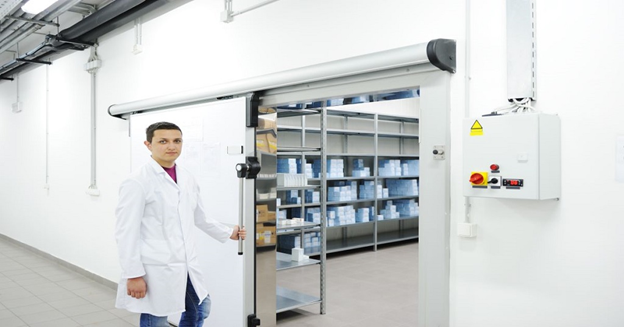
In the pharmaceutical industry, ensuring drug safety and efficacy is paramount. One critical factor that influences both is temperature control—especially for temperature-sensitive drugs, which include vaccines, biologics, insulin, and certain antibiotics.
To preserve their potency, stability, and shelf life, pharma cold rooms play a pivotal role in the supply chain.
This article explores the significance, methods, and best practices for maintaining the shelf life of temperature-sensitive pharmaceuticals through effective cold storage solutions.
Why Cold Storage is Critical for Pharma
Temperature-sensitive drugs can degrade when exposed to improper conditions. Even short-term deviations can:
- Reduce drug efficacy
- Cause chemical or physical instability
- Increase risk of adverse patient outcomes
- Lead to regulatory non-compliance or financial loss
According to the World Health Organization (WHO), nearly 50% of vaccines are wasted globally each year due to temperature control failures.
Temperature Ranges for Cold Chain Drugs
Pharmaceutical cold storage typically adheres to the following classifications:
| Storage Condition | Temperature Range |
| Room Temperature | 15°C to 25°C (59°F to 77°F) |
| Cool Storage | 8°C to 15°C (46°F to 59°F) |
| Cold Storage/Refrigerated | 2°C to 8°C (36°F to 46°F) |
| Freezer Storage | -15°C to -25°C (5°F to -13°F) |
| Ultra-Low Freezer | -70°C to -80°C (-94°F to -112°F) |
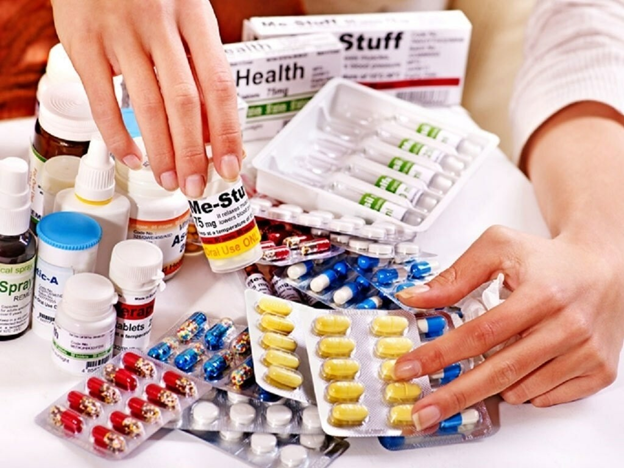
Technologies Used in Pharma Cold Storage
Modern pharmaceutical cold storage involves advanced technologies that ensure tight temperature control and real-time monitoring. These include:
1. Refrigerated Warehouses
Specialized facilities that maintain fixed temperature ranges, often equipped with backup power and automated monitoring systems.
2. Refrigerated Containers (Reefers)
Used in logistics to transport temperature-sensitive drugs under controlled environments.
3. Cold Rooms and Freezers
Modular solutions installed at production and distribution points for intermediate storage.
4. Temperature Data Loggers & IoT Sensors
Track and record temperature data continuously, sending alerts in case of deviations.
5. Vaccine Vial Monitors (VVMs)
Color indicators that help determine if a vaccine has been exposed to excessive heat.
Best Practices to Maintain Shelf Life
Proper Packaging
Insulated packaging with phase change materials (PCMs) or dry ice helps maintain temperatures during transit.
Routine Validation
Refrigeration equipment must undergo regular calibration and validation to ensure accuracy.
Staff Training
Personnel should be trained to handle and store drugs as per Good Distribution Practices (GDP) and Good Manufacturing Practices (GMP).
Contingency Planning
Backup systems (generators, alternative logistics) are critical for minimizing temperature excursions during power outages or transit delays.
Documentation and Compliance
Maintain detailed records of temperature logs, equipment maintenance, and handling procedures to meet FDA, EMA, or WHO regulatory requirements.
Challenges in Cold Chain Management
- Infrastructure Gaps: Especially in remote or underdeveloped areas.
- Cost: Cold storage solutions can be capital-intensive.
- Data Integrity: Ensuring reliable, real-time data capture and audit trails.
- Last-Mile Delivery: Maintaining cold chain integrity in the final delivery stages is particularly challenging.
Emerging Trends and Innovations
- AI & Predictive Analytics: For proactive risk mitigation in cold chain logistics.
- Solar-Powered Cold Storage: Addressing infrastructure limitations in low-resource settings.
- Blockchain Technology: Ensures traceability and transparency throughout the supply chain.
- Smart Labels & IoT Packaging: Provide real-time information about product condition.
Conclusion
Pharma cold storage is not merely a logistical concern—it’s a critical safeguard for maintaining the shelf life, safety, and effectiveness of temperature-sensitive drugs.
As the pharmaceutical landscape evolves with more biologics and precision therapies, investing in reliable cold chain infrastructure and technologies will be more essential than ever.
