
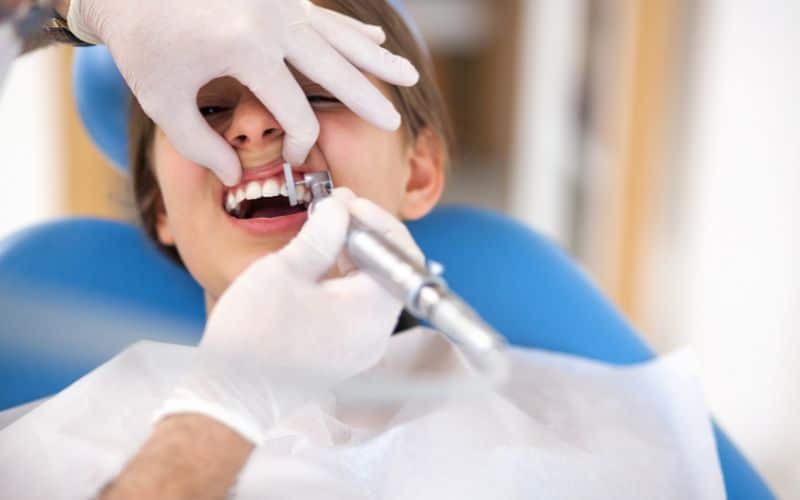
Oral cancer grows in silence. You may not feel pain or see clear signs until it is advanced. That is why regular visits to a general dentist matter. Your dentist checks more than cavities and clean teeth. Routine exams help spot early changes in your mouth, tongue, and throat. These small changes can signal cancer before it spreads. Early detection gives you more treatment options. It also raises your chance of survival and lowers suffering. A trusted Dentist in West Sahara, Las Vegas can track your health over time. Each visit builds a record of what is normal for you. This makes new spots, sores, or color changes easier to catch. You deserve someone who looks closely, asks direct questions, and does not rush. Regular general dentistry visits protect more than your smile. They protect your life.
What Oral Cancer Is And Why It Matters To You
Oral cancer is a growth in the mouth, lips, tongue, or throat. It can start as a small sore or patch that does not heal. At first it may look harmless. Over time it can spread to deeper tissue, bone, or lymph nodes.
According to the National Cancer Institute, cancers of the mouth and throat are common. Many are linked to tobacco, alcohol, and human papillomavirus, also called HPV. Yet some people get oral cancer without any clear cause. That is why regular checks matter for everyone.
When doctors find oral cancer early, survival is higher. When they find it late, treatment is harder and often more painful. Early care can mean smaller surgeries and fewer long hospital stays. Late care can affect your speech, your eating, and your face. It can also drain your family’s strength.
How General Dentists Check For Oral Cancer
During a routine visit, your dentist does more than clean your teeth. You can expect three key steps.
- Medical history review. You share tobacco use, alcohol use, HPV vaccine status, and any past cancer. You also share new symptoms such as sore spots, trouble swallowing, or hoarseness.
- Visual check. Your dentist looks at your lips, gums, cheeks, tongue, floor of the mouth, roof of the mouth, and throat. You may be asked to stick out your tongue or say “ah” so the dentist can see better.
- Touch check. Your dentist feels your jaw, neck, and under your tongue. This helps find lumps or thick tissue that you cannot see in the mirror.
This exam is quick. It often takes less than five minutes during a standard visit. Yet those minutes can change the course of your life.
Warning Signs You Should Never Ignore
You should call your dentist if you notice any of these signs that last longer than two weeks.
- A sore in your mouth that does not heal
- A white or red patch inside your mouth or on your tongue
- A lump, thick spot, or rough patch
- Loose teeth that do not match normal aging or gum disease
- Pain when you swallow or chew
- Hoarseness or a change in your voice
- Numbness in your tongue, lip, or cheek
- Ear pain on one side without an ear infection
These signs do not always mean cancer. They can come from infection or injury. Yet only a trained dentist or doctor can tell. Waiting to see if a symptom “goes away” can cost you time that you need.
Why Regular Visits Beat Waiting For Symptoms
Many people skip dental visits if they feel fine. That choice can hide early oral cancer. Cancer often starts without pain. By the time you feel clear pain, it may be larger or have spread.
Routine exams give you three strong benefits.
- Your dentist knows your normal mouth and can spot small changes fast.
- Your risk factors stay updated. For example, if you quit smoking, your dentist can track healing.
- You can catch other problems early, such as gum disease or decay, at the same time.
The Centers for Disease Control and Prevention notes that early oral cancer often starts as flat patches or small sores. These can be hard for you to see at home. A trained eye under bright light can see much more.
How General Dentistry Supports Early Detection Over Time
Your general dentist is your first line of defense. You see this person more often than a specialist. Each visit builds a record of photos, notes, and x rays. Over time this record shows patterns.
This ongoing care helps in three ways.
- Baseline. Your dentist learns what your tongue, gums, and lining usually look like.
- Change tracking. New spots or sores stand out against that baseline.
- Fast referral. If something looks suspicious, your dentist can send you to a surgeon or cancer doctor right away.
Early referral can lead to smaller surgery and less damage. It can also reduce fear, because you get clear answers sooner.
Risk Factors You And Your Dentist Should Discuss
Some habits and histories raise your risk of oral cancer. You and your dentist should talk about
- Cigarette, cigar, or pipe use
- Chewing tobacco or snuff
- Heavy alcohol use
- History of HPV or lack of HPV vaccination
- Family history of head and neck cancer
- Long sun exposure on the lips without sunscreen
You cannot change your age or your family history. You can change tobacco, alcohol, and sun habits. Your dentist can guide you to quit programs, mouth guards, and lip balms with sun protection.
How Dental Visits Compare To Waiting For Symptoms
| Approach | What Happens | Impact On You |
|---|---|---|
| Regular general dentistry visits | Oral cancer exam at each checkup. Changes tracked over time. | Higher chance of early detection. Treatment can be less harsh with better survival. |
| Waiting for pain or visible symptoms | Care starts only when sores hurt or bleed. | Higher chance of late stage cancer. Treatment can be longer with more life disruption. |
| No dentist and no self checks | No one looks at your mouth closely. | Highest risk of silent progression. Cancer may spread before anyone finds it. |
Steps You Can Take Today
You can act now to protect yourself and your family.
- Schedule a general dental exam at least once a year. Twice a year is better for many adults.
- Ask your dentist to explain the oral cancer exam as it happens.
- Do a monthly self check in a mirror with bright light. Look under your tongue and along the sides.
- Quit tobacco in all forms. Cut down alcohol.
- Use lip balm with sun protection.
- Make sure children and teens are offered the HPV vaccine if it is right for them.
Oral cancer steals health in quiet ways. General dentistry gives you a shield. Each routine visit is a chance to catch danger early, protect your speech and eating, and stay present with your family. You deserve that safety. Your mouth deserves that attention.
