
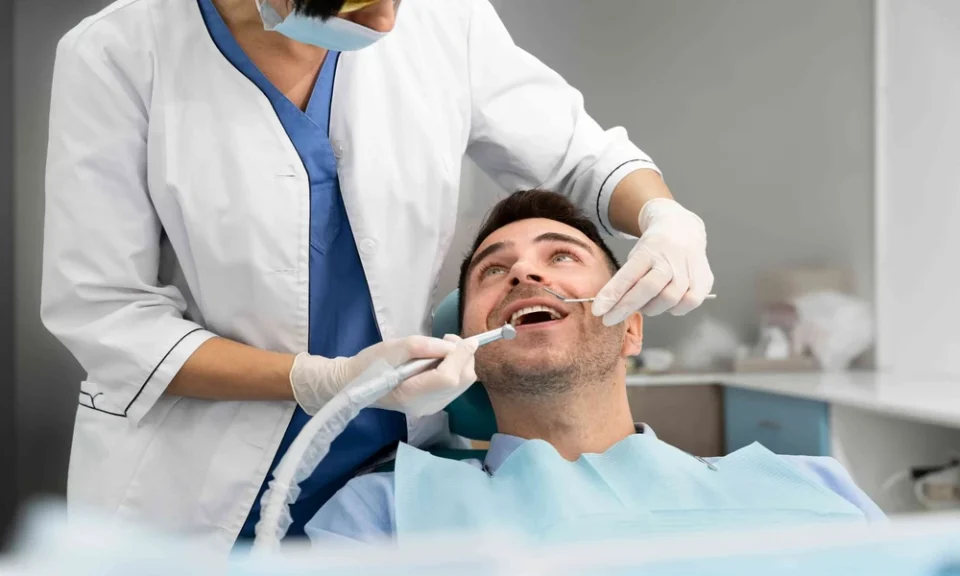
You brush, you floss when you can, and you probably tell yourself you will book that appointment soon. Then life gets loud. Work runs late, kids need rides, something aches for a day and then settles down, and a dental visit slips further down the list. That is common. It also creates the kind of quiet stress that sits in the background every time you smile in a photo, chew on one side, or wonder if that sensitivity means something more. If you have been putting it off, advanced dental care in Phoenix can help you address those concerns before they grow.
The role of preventive dental visits in supporting confident smiles is simple, even if life makes it hard to act on. Regular checkups help catch small issues before they turn into pain, bigger bills, or visible damage. They also support the basics that shape confidence every day, clean teeth, healthy gums, fresher breath, and fewer surprises. A trusted general and family dentist is not only there when something hurts. Preventive care is what helps keep your mouth stable in the first place.
Preventive dental care protects more than your teeth
A missed cleaning does not always feel urgent. Cavities can start quietly. Gum disease often begins with bleeding when you brush, mild puffiness, or bad breath that seems easy to ignore. The problem is that mouths do not stay still. Plaque hardens into tartar. Early decay deepens. Gum irritation can move toward infection and bone loss. What starts as a small issue can become a crown, a root canal, or an extraction.
This is where routine dental checkups matter. They give your dentist a chance to spot early wear, cracks, decay, gum changes, grinding, and other patterns you may not notice at home. Professional cleanings also remove buildup that brushing alone cannot handle. The National Institute of Dental and Craniofacial Research offers practical guidance on daily oral hygiene and professional dental care, and that combination is what keeps prevention working.
Confidence is part of this too. If you are covering your mouth when you laugh, avoiding close conversations because of breath concerns, or putting off photos because your teeth do not feel clean or healthy, that affects more than appearance. It changes how you show up. Preventive visits support a smile that feels easier to use, not something you have to manage or hide.
Skipping preventive dentist appointments often costs more later
People often delay visits to save money. That makes sense when budgets are tight. The hard part is that postponing care often leads to more treatment, more time away from work or family, and more discomfort. A simple filling is one thing. A large cavity that reaches the nerve is another. Early gum treatment is manageable. Advanced gum disease can involve deeper cleanings, ongoing maintenance, and long term consequences for tooth support.
The same pattern shows up in public health data. The CDC explains how preventive care helps reduce health risks and supports early detection. Dental care fits that model. Catching problems early is usually less invasive and less expensive than waiting for pain to force a visit.
There is also a practical issue many families know well. Dental pain rarely arrives at a convenient time. It shows up before a trip, during school pictures, after office hours, or right when money is already stretched. Preventive appointments lower the odds of that kind of disruption. They do not promise perfection, but they make emergencies less likely.
Regular family dental visits create steadier oral health habits
Preventive dental visits also shape habits at home. Children learn that the dentist is part of normal care, not only a place you go when something is wrong. Adults get feedback on brushing technique, flossing, fluoride use, dry mouth, diet, and signs of clenching or grinding. These details matter because good habits are often less about effort and more about doing the right things consistently.
Dental visits are also common for many Americans, though not universal. CDC survey data on dental visits in the United States shows how often people access oral care across age groups. That gap matters because people who skip routine care are more likely to end up treating problems later instead of preventing them earlier.
| Approach | What It Looks Like | Likely Short Term Result | Likely Long Term Result |
|---|---|---|---|
| Home care only | Brushing, flossing, mouthwash, no routine exams | Teeth may feel clean, hidden issues can go unnoticed | Higher chance of untreated decay, gum disease, and larger treatment needs |
| Preventive dental care | Home care plus regular exams and cleanings with a general dentist | Buildup removed, early problems identified | Better odds of stable oral health, lower risk of major surprise treatment |
| Problem based care only | Visits only when pain, swelling, or visible damage appears | Immediate issue addressed under stress | More invasive care, higher costs, repeated urgent visits |
Small steps make preventive oral care easier to keep up with
Book the next visit before you need it. Waiting until something feels wrong usually means the problem has had time to grow. If it has been a while, start with one appointment. You do not need a perfect history to begin again.
Track the signs you have been ignoring. Bleeding when brushing, tooth sensitivity, jaw soreness, bad breath, food getting stuck in one area, or a rough edge on a tooth all deserve attention. These details help your dentist spot patterns faster and recommend the right care.
Treat home care like maintenance, not damage control. Brush twice a day with fluoride toothpaste, floss daily, and replace your toothbrush regularly. If your gums bleed, that is usually a sign to clean more carefully and get checked, not a reason to avoid the area.
Confident smiles are usually built through prevention
A confident smile rarely comes from luck. It usually comes from steady care, early attention, and fewer avoidable problems. That is the real value of seeing a general and family dentist for preventive care. You are not only protecting teeth. You are protecting comfort, time, money, and the ease of smiling without second guessing it.
If you have been putting it off, this is a good time to schedule your next preventive dental visit and get back to a healthier, more confident smile.
