
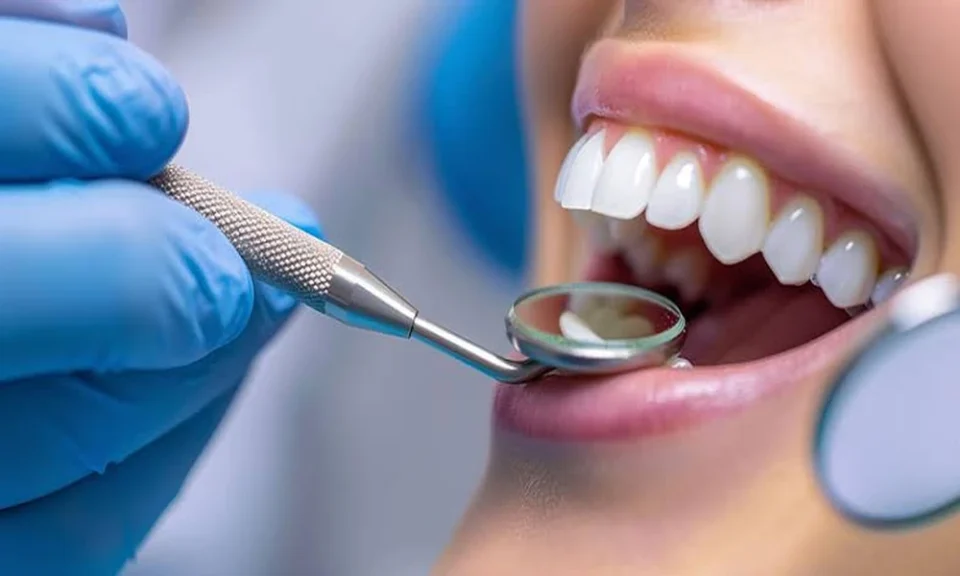
You brush, you try to remember to floss, and you tell yourself you will book that cleaning soon. Then life gets loud. Work runs late, kids need something, a small tooth sensitivity comes and goes, and it is easy to believe you are doing enough. A lot of people live in that space, not neglecting their mouth on purpose, just missing the kind of guidance that turns good intentions into habits that actually protect teeth and gums. That is why family dental care for Georgetown residents can make such a meaningful difference.
That is where education changes the outcome. The role of education in preventive dentistry success is simple and direct. When you understand what causes decay, gum disease, enamel wear, dry mouth, and oral infections, you make better daily choices and you spot trouble earlier. A general dentist does more than clean teeth. Good dental care teaches you what matters, what does not, and what needs attention before a small problem becomes painful and expensive.
Patient education shapes preventive dental care outcomes
Most dental problems do not start as emergencies. They build slowly. Plaque sits along the gumline, bleeding starts during brushing, and a cavity forms without pain. If nobody has explained what those early signs mean, you may assume they are harmless. That delay is costly. What could have been a fluoride treatment, a filling, or a change in home care can turn into deep cleaning, root canal treatment, extraction, or ongoing gum disease management.
Education lowers that risk because it gives you context. You are not just told to floss. You learn that flossing disrupts bacteria between teeth where a toothbrush cannot reach. You are not just told to wear a night guard. You learn that grinding can crack teeth, strain the jaw, and wear down enamel even when you sleep through it. That kind of explanation sticks, and people are far more likely to follow through when the reason is clear.
This matters even more when symptoms are mild. A dry mouth may seem like an annoyance, but it can raise your risk of decay. Bleeding gums may seem normal, especially if they have bled for years, but they usually point to inflammation. According to the National Institute of Dental and Craniofacial Research, the nation still faces wide gaps in oral health outcomes, access, and understanding, as outlined in Oral Health in America. Knowledge is not a luxury in dentistry. It is part of prevention.
Preventive dentistry education helps you avoid bigger treatment later
You can see the pattern in real life. Someone skips routine visits because nothing hurts. Months later, cold drinks sting. Then chewing on one side starts. By the time they come in, the tooth needs more than a basic filling. Another person learns early that frequent snacking, sports drinks, and mouth breathing are drying and feeding the wrong bacteria, so they change a few habits and avoid that spiral altogether.
Oral health education in dentistry also helps with money. Preventive care is usually the least expensive point of intervention. Once infection spreads, the cost rises fast, and so does the time commitment. Missed work, repeat visits, recovery time, and anxiety all get added to the bill. The stress is real because dental pain rarely stays in one lane. It affects sleep, concentration, eating, and confidence.
Research supports this approach. The CDC’s guidance on oral health tips for adults focuses on habits that reduce disease before treatment is needed, including brushing with fluoride toothpaste, cleaning between teeth, avoiding tobacco, limiting sugar, and keeping regular dental visits. Prevention works best when you know why each step matters and how it fits your own risk factors.
Daily habits and professional support work better together
Home care and office visits are not competing options. They cover different jobs. Brushing and flossing reduce daily buildup. Professional exams catch what you cannot see, including early decay, gum pocket changes, cracked restorations, oral cancer concerns, and wear from grinding or acid exposure. Education ties those pieces together so your routine is based on your actual needs, not guesswork.
| Approach | What It Often Looks Like | Likely Result Over Time |
|---|---|---|
| Daily care without education | Brushing regularly, inconsistent flossing, guessing which products to use | Good effort, but missed risk factors and delayed response to early signs |
| Professional visits without home follow through | Cleanings every six months, limited daily plaque control | Short term improvement that fades between visits |
| Educated home care plus routine dental visits | Personalized brushing, interdental cleaning, fluoride use, diet awareness, regular exams | Lower risk of cavities and gum disease, earlier treatment, lower long term cost |
The broader data backs this up. The full NIDCR report on advances and challenges in oral health in America shows that oral disease remains common, but many of the strongest protections are still basic preventive measures supported by education, access, and routine care.
Three steps that improve preventive dentistry success right away
Ask for a risk based home care plan. Do not settle for generic advice. Ask your general dentist which issues matter most for you right now. That might be gum inflammation, cavity risk, dry mouth, acid erosion, grinding, or old dental work that needs monitoring. A clear plan should tell you what to use, how often to use it, and what signs mean you should call sooner.
Track the habits that quietly raise risk. Sip sugary drinks all day, snack often, clench during stress, skip water, or fall asleep without brushing, and your mouth pays for it. Write down one week of patterns. Most people are surprised by what they see. Education works better when it connects to your real routine instead of an ideal one.
Keep preventive visits even when nothing hurts. Pain is a late signal in dentistry. Early decay, gum disease, and oral tissue changes can be present without discomfort. Routine exams and cleanings give you a chance to correct small problems while they are still manageable. That is the heart of preventive dentistry. Stop disease early, or stop it before it starts.
Education turns dental prevention into lasting results
You do not need perfect habits to protect your oral health. You need clear information, a realistic plan, and steady follow through. That is why education matters so much in prevention. It replaces confusion with direction and turns routine care into something that actually works for your life.
If you have been putting off a visit or feeling unsure about what your teeth and gums need, now is a good time to schedule preventive care with a general dentist and get guidance you can use every day.
