
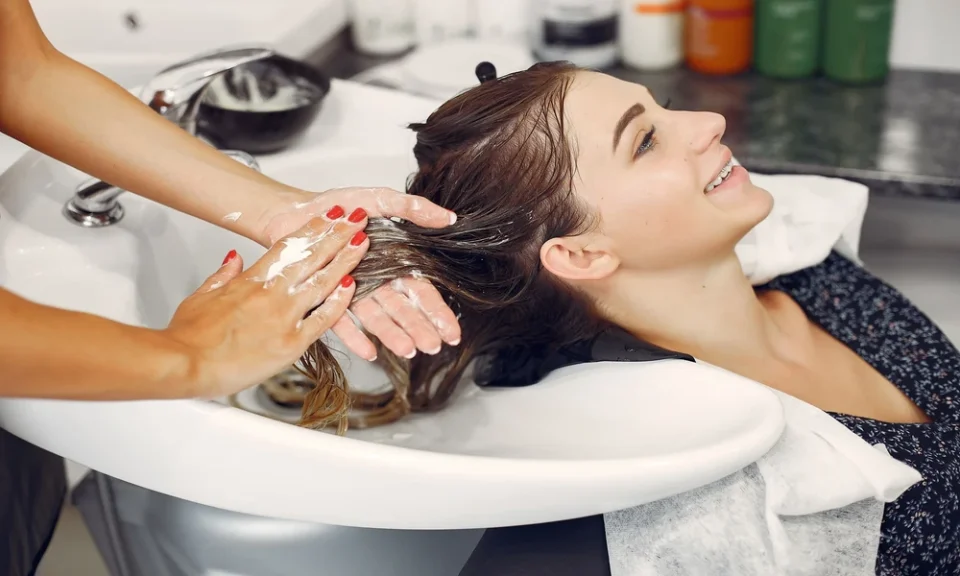
The quest for smoother, frizz-free hair often leads salon clients to ask a single crucial question before booking a treatment: How long will it really last? That answer can make or break trust between stylist and client, and the science behind it is far more nuanced than most realize.
Understanding Professional Hair Smoothing Treatments
What Are Hair Smoothing Treatments?
Professional hair smoothing treatments are chemical services designed to reduce frizz, enhance shine, and create a more manageable texture. These treatments range from classic keratin systems to new-generation formulas that promise smoother hair without the potential downsides of older chemical processes.
Traditional Keratin vs. Modern Multi-Protein Formulas
Traditional keratin treatments typically use formaldehyde or related chemicals to force the hair into a straightened state. This method coats hair shafts with a chemical layer that washes away over time, bringing back the original texture. In contrast, advanced multi-protein treatments work differently. They penetrate the hair and bond with its internal structure, aiming for longer-lasting smoothness and increased hair health, all while eliminating the harsh chemicals associated with previous generations.
How Do These Treatments Interact with Hair Structure?
The effectiveness of a smoothing treatment depends on how deeply it interacts with hair fibers. While keratin treatments primarily work at the surface, multi-protein systems bind with the hair’s internal protein structure. This distinction not only determines durability but also influences recovery after repeated treatments.
Factors Influencing Treatment Longevity
Hair Type and Texture: Resistance and Response
Not all hair responds to smoothing treatments in the same way. Coarse, thick, or tightly curled hair may resist chemical processing, sometimes leading to shorter-lasting results compared to fine or wavy hair. During consultations, stylists should discuss these differences openly so that clients with resistant textures know what to expect.
Client Habits: Washing Frequency and Product Use
Every shampoo session removes a bit of the treatment. Clients who wash their hair daily will see smoothness fade faster than those who wash two or three times a week. Plus, using sulfate-free products can significantly lengthen the life of a smoothing treatment.
Environmental and Heat Exposure Effects
Sun, saltwater, chlorinated pools, and frequent use of heat styling tools all accelerate the breakdown of smoothing treatments. Educating clients about protective measures, like heat protectants and minimizing sun exposure, can make a measurable difference in how long their results last.
Importance of Professional Product Quality
The quality of the smoothing system has the biggest influence on longevity. Budget products with harsh chemicals may bring quick results but risk damage and short duration. High-quality, formaldehyde-free systems provide longer-lasting, healthier outcomes.
The Science Behind Advanced Multi-Protein Treatments
Bonding with Hair’s Internal Structure
Unlike surface-coating treatments, advanced multi-protein formulas integrate with the hair’s internal bonds. This scientific approach leads to more resilient smoothness, allowing the hair to resist frizz and maintain shine for months.
Formaldehyde-Free Formulations and Their Benefits
Modern systems avoid formaldehyde, reducing health risks for both clients and stylists. These formulas focus on strengthening rather than simply masking damage, which helps improve hair quality over multiple treatments.
Customizable Texture Control: From Sleek to Natural Movement
Not all clients want pin-straight hair. Sophisticated smoothing systems now allow stylists to tailor the outcome, from ultra-sleek finishes to simply enhanced manageability, meeting a wider range of client desires.
Impact on Hair Health Over Time
With repeated use, advanced multi-protein treatments can leave hair stronger and more resilient rather than stripped or weakened. This cumulative benefit encourages client loyalty and trust.
Maximizing Treatment Lifespan Through Aftercare
Recommended Hair Care Products: Sulfate-Free Shampoos and Conditioners
Sulfate-free products are less harsh, helping retain smoothing results. Conditioning after each wash seals in moisture, which is critical for maintaining smoothness.
Washing Tips: Frequency and Techniques
Limiting washes to two or three times per week, and using dry shampoo on off days, can extend treatment longevity. Gentle washing techniques also prevent premature wear.
Protecting Hair from Heat and Environmental Damage
Clients should always use heat protectants and minimize the use of hot tools. Limiting exposure to chlorine and saltwater protects the hair’s newly smoothed cuticle.
Lifestyle Adjustments: Pillowcases, Pools, and Sun Exposure
Switching to silk or satin pillowcases reduces friction and preserves smoothness. Advising clients to shield hair from harsh sunlight or wear swim caps in pools provides extra mileage for their investment.
Setting Client Expectations and Building Loyalty
Communicating Realistic Longevity Timelines
How long does a smoothing treatment last? Most professional systems promise anywhere from two to six months, but variables like hair type and care routine play significant roles. For a deeper breakdown, see how long does a smoothing treatment last.
Coaching Clients on Signs for Rebooking
Clients should rebook when they notice frizz returning or the hair losing its easy manageability. Rather than sticking to a rigid calendar, stylists can teach clients to recognize these changes as their signal for the next appointment.
Advantages of Multi-Protein Systems for Repeat Treatments
With formaldehyde-free, multi-protein systems, repeated sessions can actually improve hair health. The risk of overlap damage is minimal, so clients can confidently maintain their smooth look.
Leveraging Aftercare and Retail for Salon Revenue
Tying aftercare product recommendations to service extends results and naturally supports retail sales, building both client satisfaction and salon revenue.
Choosing the Right Professional System for Your Salon
Comparing Treatment Systems: Safety, Efficacy, and Client Outcomes
The table below highlights key differences between traditional keratin and modern multi-protein smoothing systems:
| Feature | Traditional Keratin | Multi-Protein Systems |
|———————————|————————-|————————-|
| Main Ingredient | Keratin + formaldehyde | Multi-protein complex |
| Longevity | 2-3 months | 4-6 months |
| Health Impact | Potential safety risks | Formaldehyde-free, safer|
| Customization | Limited | High (texture control) |
| Aftercare Restrictions | High | Minimal |
Operational Benefits of Modern Smoothing Systems
Newer systems often simplify workflow, removing lengthy post-service restrictions and letting clients return to daily life immediately. For stylists, this means happier clients and fewer complications.
Aligning Service Offerings with Client Goals and Hair Types
Offering customizable smoothing services allows salons to serve a broader clientele, from those seeking perfectly straight hair to those who want just a touch of frizz control.
Long-Term Business Impact: Reputation, Referrals, and Repeat Business
Using advanced, health-conscious systems not only improves client outcomes but also boosts salon reputation, drives referrals, and encourages repeat business. The science behind smoothing treatments is evolving, and salons who evolve with it stand to gain the most.
