
When Fine Feels Off
A low hum sits beneath days, not loud but constant. It slips into moments: slow stretches in the afternoon light, a fullness once dinner ends, an itch under skin with no name. Life keeps turning, so the ache gets tucked away. Most learn its shape without meaning to, label it routine, then walk past.
Over time, tiny clues start linking together. Things that seemed unpredictable now carry a rhythm. Identical meals, repeated responses, energy fading without reason. A quiet thought grows: Could this be more than ordinary life – might there be an overlooked cause?
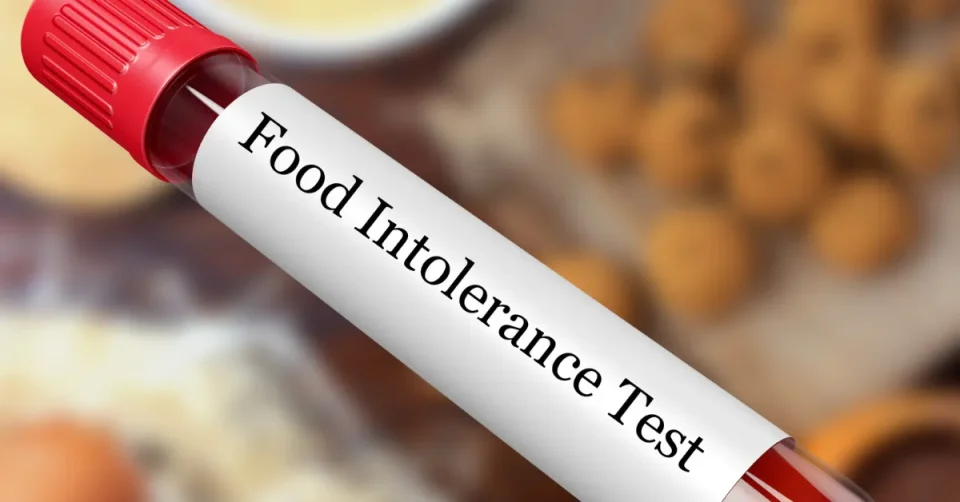
Curiosity sparks things. Rather than ignore unease, some now pause to look closer – so interest grows in clinical food intolerance tests, including approaches like clinical food intolerance testing.
Moving Past Generic Guidance
Getting tips on health is easier than ever now. Whether scrolling online or chatting at home, people hear constant suggestions about foods to choose or skip. Some of these pointers might actually help a person out. Yet too many act like every stomach reacts exactly alike.
Truth is, everyone runs differently. One person eats something, gets energy. Another tries the same thing, feels sluggish by midday. General advice often misses personal differences. Bodies react in their own way, no matter what labels say.
This shift changes the way folks think about staying well. Not just sticking to broad tips anymore, but searching for clues that match how their body actually reacts. Trends matter less now, while figuring out individual patterns gains ground. Personal results begin to outweigh popular habits.
The Challenge of Hidden Reactions
Folks might not realize they have a food intolerance right away. While allergic reactions hit fast and hard, these sensitivities often creep in slowly, showing mild signs. Spotting them takes more than just waiting it out – attention matters. Realizing what is happening means looking closer at how the body responds over time.
Hours after eating, a sudden ache appears – silent at first, then sharp. That meal from earlier? It slips the mind, lost in time’s shuffle.
This wait brings uncertainty. Years pass while folks search for reasons, testing things bit by bit – rarely finding solid proof. Guessing repeats itself: change something, watch closely, wish it helps.
A Deeper Sense of What Health Means
Clarity pulls folks in, one choice at a time. Rather than tossing out guesses about troublesome meals, they lean into learning what their body really does when faced with certain foods.
This isn’t about rigid meal plans or cutting out every habit fast. Actually, balance usually grows from small shifts over time. Once someone notices how their body reacts, choices tend to follow naturally – no pressure needed.
Now it’s less about holding tight, more about noticing what’s there. Decisions around meals come from listening to physical cues instead of strict guidelines or demands from elsewhere.
Small Changes Big Impact
Slow changes often mark how people notice food intolerances. Over time, shifts appear without fanfare. Steady energy can emerge, little by little.
Belly troubles might start to fade. On top of that, thinking could clear up a bit, while emotions settle into a calmer rhythm.
Small shifts, yet they carry weight. Life keeps moving – these tweaks just lift it. When changes come from within, sticking with them feels less like effort. The reason? They fit how you already live.
Focusing on slow gains builds stronger momentum over time. When tiny shifts stick, they tend to add up into real change. A single step might seem small – yet done again and again, it reshapes outcomes.
Rebuilding Trust With Your Body
This path changes how someone sees their physical self. Rather than tuning out discomfort or fighting instincts, attention shifts inward. Listening grows stronger over time. A deeper connection forms slowly. Trust builds where there was once resistance.
Confidence grows when choices come from actual moments lived, not guesses. Clarity shows up because thinking ties back to what truly happened, not imagined ideas. Trust slowly forms by noticing how the body reacts, again and again. Picks get made that sit well, simply because they fit. The pattern sticks – experience leads, decisions follow.
Listening to your body matters more than following advice from outside. What you notice in yourself shapes wellness far beyond rules made by others.
Final Thoughts
A single moment of awareness can shift things. Noticing how you feel after skipping breakfast might matter more than any rule book. Little habits slip by without attention – until they don’t. A repeated ache, a yawn midday, shoes worn unevenly – all whisper hints. The body speaks in repetition. Patterns form whether we watch or not. Silence around fatigue builds over weeks. What feels normal may be anything but. Paying attention isn’t effortful – it’s just rare.
One body, one path – personalised methods now matter more than ever. With curiosity rising about what fuels us, clinical food intolerance tests offer a window into self-knowledge, not just answers. Clarity finds its shape through difference, not uniform advice.
Now here’s something – once folks quit assuming and actually tune in, tiny realizations begin shifting things for good. A quiet moment of hearing someone? That sparks what lasts.
