
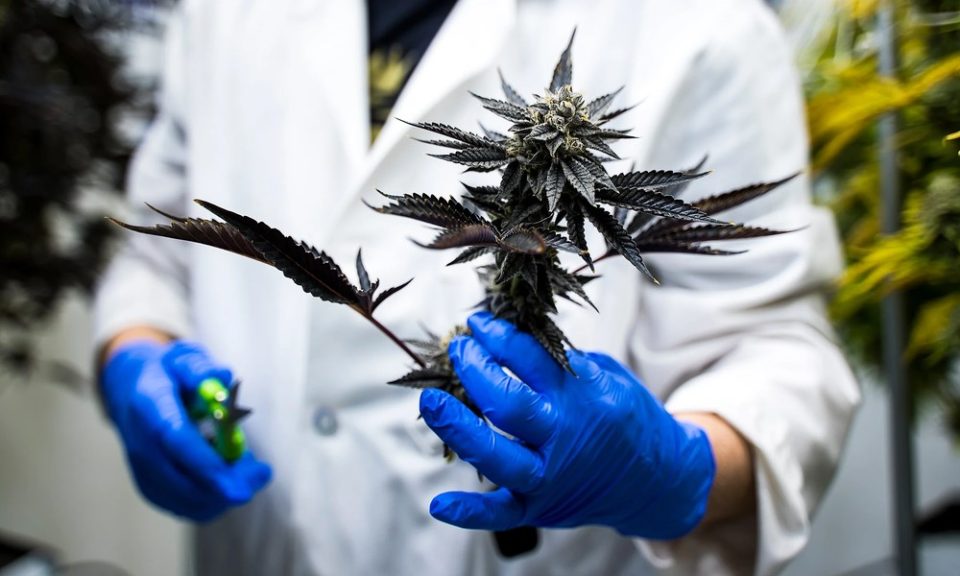
Terpenes are aromatic compounds found in cannabis and many other plants that contribute to the distinctive scents of different cannabis varieties. Research over the past decade has established that terpenes also influence the physiological effects of cannabis through multiple mechanisms, independent of their role in aroma.
The entourage effect hypothesis, supported by an increasing body of preclinical and observational evidence, proposes that terpenes modulate the effects of THC and CBD by interacting with cannabinoid receptors and with other receptor systems including serotonin and dopamine pathways.
Which Terpenes Are Most Commonly Discussed in Retail Cannabis Settings
Myrcene, which produces an earthy, musky aroma, is the most abundant terpene in most cannabis strains and is associated with sedative and muscle relaxant effects in high concentrations. Limonene, found in citrus-scented varieties, shows evidence of anxiolytic and mood-elevating effects. Pinene, which produces a sharp pine aroma, may counteract some of the memory-impairing effects of THC through acetylcholinesterase inhibition.
Caryophyllene is unique among terpenes in that it also acts as a cannabinoid receptor agonist at CB2 receptors, producing anti-inflammatory effects that may contribute to cannabis’s documented efficacy for certain types of chronic pain.
How Full-Spectrum Products Differ From Isolate-Based Products
Full-spectrum cannabis products preserve the complete terpene and minor cannabinoid profile of the source material, while isolate-based products contain only purified THC or CBD. Research comparing full-spectrum and isolate products in clinical pain models consistently finds advantages for full-spectrum formulations, attributed to the entourage effect. When visiting a Las Vegas marijuana dispensary, asking staff about terpene profiles and whether products are full-spectrum, broad-spectrum, or isolate-based provides information that is more predictive of experiential effect than strain name or THC percentage alone.
How Live Resin Concentrates Preserve Terpene Content
Live resin concentrates are produced from fresh-frozen cannabis plants rather than dried and cured material, which preserves a higher proportion of the volatile terpenes that would be lost during the drying and curing process. This production method results in concentrates with more complex and aromatic terpene profiles than those made from processed plant material.
What Terpene Testing Data Shows About Label Reliability
Nevada’s mandatory testing framework does not currently require terpene quantification for all product categories, though many cultivators and manufacturers voluntarily test and label terpene content. Products with independently verified terpene profiles provide more reliable information for effect prediction than those relying on strain name conventions alone.
Terpene profiles represent an increasingly important dimension of cannabis product selection for consumers who have moved beyond THC percentage as their primary purchasing criterion. Understanding the major terpenes, their documented effects, and how to access terpene data on product labels and certificates of analysis provides a more sophisticated framework for matching product selection to desired experiential outcomes.
