
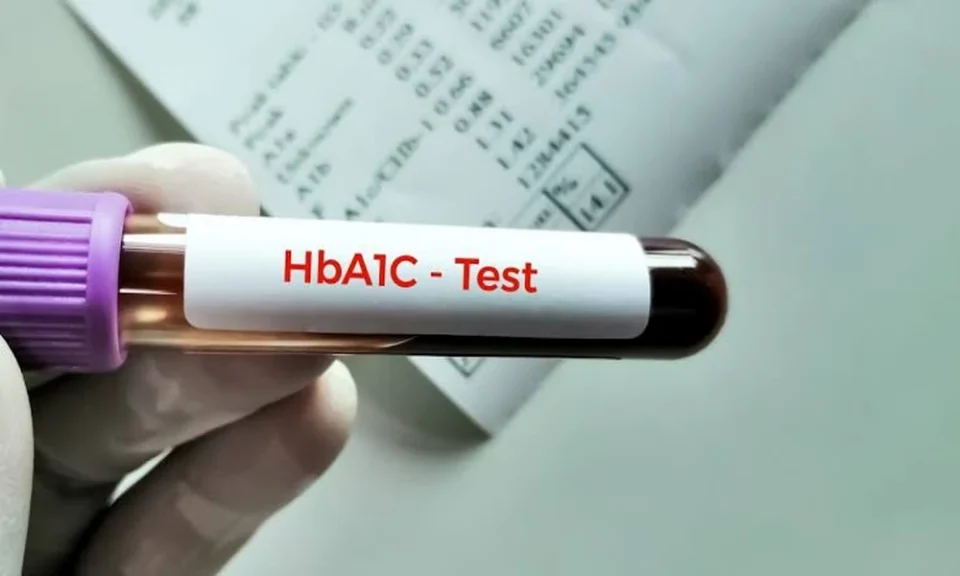
HbA1c is a blood test that gives an estimate of average glucose over the previous few months. It is useful because it provides a broader picture than one fasting reading. A meta-analysis of lifestyle intervention and HbA1c found that structured lifestyle programmes can support better glucose control in people with type 2 diabetes. The amount of improvement varies according to the person, treatment plan and ability to maintain the changes.
The first step is to understand why the HbA1c result is high. Possible reasons include missed medicines, large portions, frequent sugary drinks, low activity, poor sleep, stress, infection, steroid medicines or a treatment plan that needs adjustment.
Do not respond with a crash diet. Severe restriction can be difficult to sustain and may cause low blood sugar in people taking insulin or certain tablets. A safer plan is built around repeatable habits.
Begin with beverages. Soft drinks, sweetened tea or coffee, energy drinks, packaged juice and sweet lassi can add a large amount of sugar without providing much fullness. Water and unsweetened drinks are usually better everyday choices.
Review carbohydrate portions at meals. Rice, roti, bread, noodles, potatoes, fruit, milk and many snack foods can affect glucose. They do not always need to be removed, but the quantity and combination matter.
Add protein and vegetables to make meals more balanced. Suitable choices may include dal, beans, eggs, fish, chicken, paneer, plain curd or another source recommended for the person’s health needs.
Physical activity helps the muscles use glucose. Walking, cycling, swimming, household movement and strength activity may be considered after medical clearance. Breaking up long periods of sitting can also be useful.
Medicine adherence is essential. Taking medicine only when the glucose reading is high can lead to unstable control. Use the dose and schedule provided by the treating clinician. Report side effects rather than stopping treatment independently.
Sleep and stress should be included in the plan. Poor sleep can affect appetite, energy and daily decisions. Loud snoring, pauses in breathing during sleep or severe daytime sleepiness may require assessment for sleep apnea.
Home glucose monitoring can show how meals, activity and medicines affect daily readings. The frequency should be decided with a clinician. Testing without knowing what to do with the result may cause unnecessary anxiety.
HbA1c does not change overnight. The timing of the next test should be based on the treatment plan. A result can also be affected by certain blood conditions, so a clinician may use other information when the number does not match home readings.
Readers can explore Madhavbaug’s supervised diabetes-care programme. General information about its approach and services is available from the Madhavbaug website.
Do not reduce or stop diabetes medicine in an attempt to improve the result naturally. Medicine changes must be supervised by a qualified clinician.
