
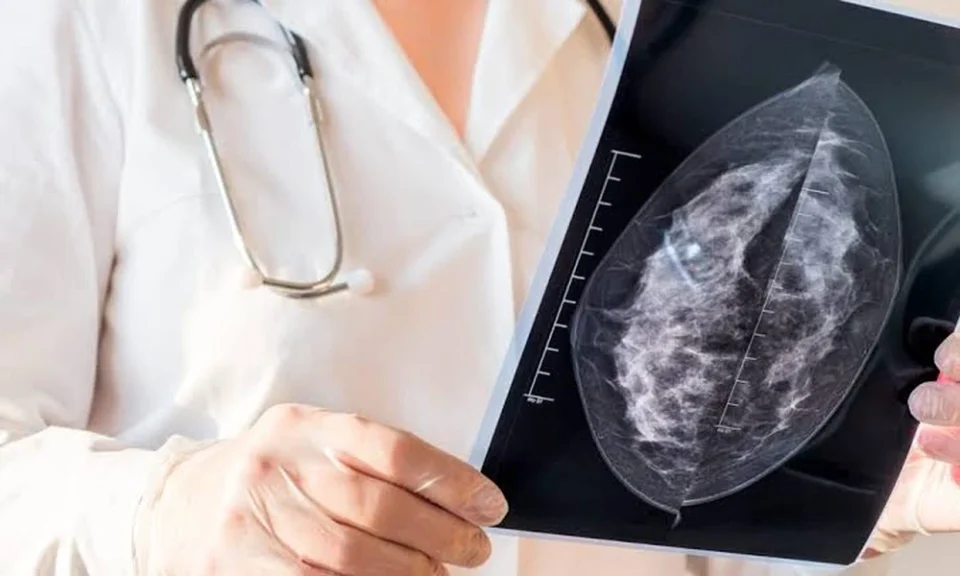
A breast cancer diagnosis changes everything. Between the whirlwind of appointments, treatment decisions, and the physical toll of surgery and therapy, many patients find themselves focused entirely on survival. But as treatment progresses and the immediate crisis subsides, another challenge emerges: rebuilding the sense of wholeness that cancer took away. For many women, reconstructive options after mastectomy represent not just a cosmetic choice, but a deeply personal step toward reclaiming their bodies and their lives.
The Emotional Weight of Physical Change
Losing one or both breasts affects far more than appearance. Studies consistently show that body image concerns following mastectomy can trigger anxiety, depression, and intimacy challenges that persist long after treatment ends. The chest area carries symbolic weight in how many women perceive their femininity, self-image, and identity. When that changes suddenly and drastically, the psychological impact often matches or exceeds the physical trauma of surgery itself.
What makes this particularly difficult is that each patient’s relationship with their body is unique. Some women feel an urgent need to restore their pre-cancer silhouette. Others embrace their altered form as a badge of survival. Many fall somewhere in between, wanting options but unsure what feels right. There is no universal answer, and the decision to pursue reconstruction or not deserves the same careful consideration given to cancer treatment itself.
Understanding Your Reconstruction Choices
Reconstruction falls into two broad categories: implant-based and autologous tissue transfer. Implant reconstruction uses silicone or saline devices to recreate breast shape. The process typically requires multiple stages, beginning with tissue expansion to stretch the chest skin, followed by placement of the permanent implant months later. The advantage is shorter operating time and no additional scarring beyond the mastectomy site. The trade-off is that implants require replacement every ten to fifteen years on average, and complications like capsular contracture or implant rupture can necessitate additional surgeries.
Autologous reconstruction uses the patient’s own tissue, usually from the abdomen, back, or thighs, to build a new breast mound. The DIEP flap procedure, which transfers abdominal skin and fat while preserving muscle, has become particularly popular because it offers natural-looking results that age with the body. The surgery is longer and recovery more demanding, but the reconstructed breast typically feels softer and more lifelike than an implant. For patients with enough donor tissue, this approach often delivers the most durable long-term outcome.
Timing Matters More Than You Think
Immediate reconstruction, performed during the same operation as mastectomy, offers the emotional benefit of never waking up without a breast contour. Surgeons can preserve more of the natural skin envelope, often improving aesthetic outcomes. However, immediate reconstruction is not always medically advisable. Patients requiring post-mastectomy radiation may be better served by delayed reconstruction, since radiation can damage implants and compromise tissue flap survival.
Delayed reconstruction, performed months or years after mastectomy, allows the body to heal fully from cancer treatment first. This approach gives patients time to process their diagnosis, complete all necessary therapy, and make reconstruction decisions without the pressure of an imminent surgery date. The chest tissue may be less pliable after radiation, which can complicate certain techniques, but experienced surgeons can adapt their approach accordingly.
Choosing the Right Surgical Team
Breast reconstruction demands surgical expertise that goes beyond basic plastic surgery training. The ideal surgeon has completed fellowship training in microsurgery or breast reconstruction specifically, performs these procedures regularly, and works within a multidisciplinary cancer care team. The hospital system behind your surgeon matters as much as individual credentials, since complex reconstruction requires coordinated support from oncologists, radiologists, and nursing staff experienced in cancer care.
During consultations, ask to see before-and-after photographs of patients with similar body types and cancer treatments. Inquire about complication rates, revision surgery frequency, and how the practice handles problems when they arise. A surgeon’s willingness to discuss failures alongside successes is often more revealing than their marketing materials. Pay attention to whether they listen to your concerns or push a single preferred technique regardless of your individual circumstances.
Access to Specialized Breast Cancer Services
For patients in the UAE seeking comprehensive breast cancer care and reconstructive services, facilities with dedicated breast health programs offer integrated treatment under one roof. Cleveland Clinic Abu Dhabi’s breast health and cancer program brings together surgical oncologists, medical oncologists, plastic surgeons, and support services to coordinate every aspect of care, from initial diagnosis through reconstruction and long-term follow-up. This multidisciplinary model ensures that reconstruction planning happens in consultation with the full cancer treatment team, so surgical timing and technique align with oncologic priorities. Patients considering breast reconstruction surgery in abu dhabi benefit from having specialized expertise available locally, reducing the need to travel abroad during an already stressful time.
Managing Expectations and Recovery
Reconstruction creates a breast shape, but it does not fully replicate what was lost. The reconstructed breast will lack normal sensation, and symmetry with the remaining natural breast may require additional procedures. Nipple reconstruction and tattooing can add realistic detail, but these refinements happen months after the initial surgery. Patients should expect at least two to three operations for implant-based reconstruction and potentially more for tissue-based approaches when revisions are needed.
Recovery timelines vary dramatically by technique. Implant-based reconstruction typically allows return to desk work within two to three weeks, while autologous tissue transfer may require six to eight weeks before resuming normal activities. Physical therapy helps restore shoulder mobility and address any pain or tightness, similar to rehabilitation approaches used for spinal conditions where structured support helps patients regain full function after major surgery.
The Psychological Journey Continues
Physical healing is only part of the process. Many patients experience unexpected emotional reactions after reconstruction, from disappointment that the result does not match their mental image to relief at feeling more like themselves again. Counseling and support groups specifically for breast cancer survivors help normalize these complex feelings. The goal of reconstruction is not perfection but finding a solution that allows you to move forward comfortably in your own skin.
Making the Decision That Works for You
Some women choose no reconstruction at all, opting for external prostheses or simply going flat. This is a valid choice that deserves equal respect and medical support. Surgeons can perform aesthetic flat closure, shaping the chest wall for a smooth contour under clothing. The notion that reconstruction is necessary for psychological well-being is outdated and patronizing. What matters is whether your decision reflects your values, lifestyle, and comfort rather than external pressure.
Take time with this choice. Unlike cancer treatment, which often demands urgent decisions, reconstruction can happen on your timeline. Speak with multiple surgeons, meet other patients who have chosen different paths, and trust your instincts about what feels right. The body you inhabit after breast cancer should be one that serves your life, not someone else’s idea of normal. Whether that includes reconstruction or not, the decision is yours alone to make.
