
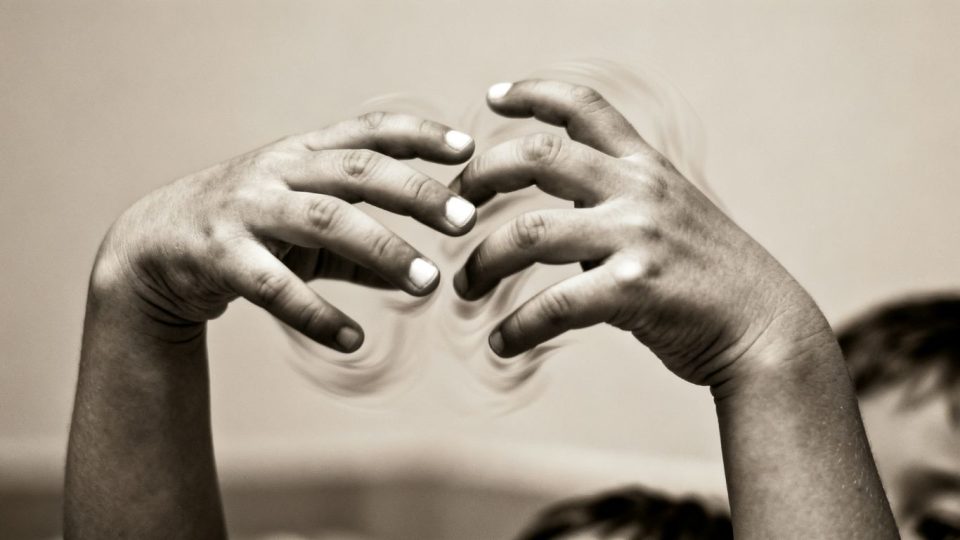
Defining Dyskinetic Cerebral Palsy
Dyskinetic cerebral palsy (CP) is a form of cerebral palsy that affects a person’s ability to control their muscles. Unlike other types of CP, which might involve stiffness or balance issues, dyskinetic CP is characterized by involuntary movements. These movements can be quite varied and often become more noticeable when someone tries to perform a voluntary action. It’s a lifelong condition that stems from an injury or issue in a specific part of the brain. This type of CP is the second most common form, following spastic CP.
The Role of the Basal Ganglia
The basal ganglia are a group of structures deep within the brain. Think of them as a control center for movement. They help regulate voluntary actions, making sure our movements are smooth and coordinated. In dyskinetic CP, damage to the basal ganglia disrupts this communication. This means the brain’s signals for movement get mixed up or aren’t processed correctly, leading to the uncontrolled movements seen in this condition. The exact location of the damage within the basal ganglia can influence the specific type of movement disorder that appears.
Distinguishing Movement Patterns
Dyskinetic movements aren’t all the same. They often fall into a few distinct categories, though sometimes they can overlap:
- Athetosis: These are slow, writhing, and continuous movements. They often affect the hands, feet, and face, and can look like a constant, fluid motion.
- Chorea: This type involves sudden, irregular, and jerky movements. They can appear unpredictable and sometimes described as ‘dance-like’.
- Dystonia: Dystonia features involuntary muscle contractions that cause twisting and repetitive movements or abnormal postures. These movements can be slow or fast and are often triggered by attempts to move or by emotional states.
Causes and Risk Factors
Dyskinetic cerebral palsy, including its athetoid presentation, stems from damage or developmental issues within specific areas of the brain. Unlike spastic CP, which often relates to white matter injury, dyskinetic CP is typically linked to problems in the basal ganglia and thalamus. These brain regions are critical for coordinating and controlling movement.
Brain Injury and Development
The brain injury causing dyskinetic CP can occur at various stages. It might happen during late pregnancy, around the time of birth, or even in early infancy. A key factor is the timing and severity of the insult to the developing brain. Injuries to the basal ganglia, often caused by brief but intense periods of oxygen deprivation, are a common culprit. Other events that can affect these areas include strokes, infections like meningitis, or bleeding within the brain.
Factors During Pregnancy and Birth
Several factors during pregnancy and birth can increase the risk. Infections the mother might contract, or complications that affect blood flow to the baby’s brain, can play a role. A significant concern is severe jaundice in newborns, a condition where bilirubin levels become dangerously high. If left untreated, this can lead to kernicterus, a type of brain damage that specifically affects the basal ganglia, resulting in dyskinetic movements. Fortunately, better management of newborn jaundice has reduced the incidence of this specific cause. Premature birth and low birth weight are also associated with a higher risk of developing cerebral palsy in general, including the dyskinetic type. brain injury and development
Postnatal Influences
While many causes originate before or during birth, some factors after birth can also contribute to brain injury leading to dyskinetic CP. These include serious infections such as bacterial meningitis, or physical trauma like shaken baby syndrome. Exposure to toxins, such as lead poisoning, can also harm the developing brain. Accidents that cause head injuries, like those from car crashes, are another potential cause. It’s important to remember that the brain injury itself does not worsen over time, but its effects on motor control are permanent.
Manifestations of Dyskinetic Movements
Dyskinetic cerebral palsy is marked by movements that are not under a person’s control. These involuntary actions often become more noticeable when someone tries to perform a voluntary movement. The specific type of dyskinetic movement can vary, and sometimes more than one type can be present.
Characteristics of Dystonia
Dystonia involves involuntary muscle contractions that lead to slow, twisting, or repetitive movements. It can also cause abnormal postures that are held for a period. These movements are typically triggered when a person attempts to move. Some individuals find that certain actions, like touching their face or resting their head against a wall, can temporarily lessen these movements. These are sometimes called ‘sensory tricks’.
Key features of dystonia include:
- Repetitive or sustained movements.
- Awkward body positions.
- Movements that can be fast or slow, and sometimes painful.
- Increased movements when tired, anxious, or emotional.
Athetosis: Slow, Writhing Motions
Athetosis is characterized by slow, continuous, and involuntary writhing movements. These movements can occur even when a person is at rest and tend to worsen with attempts to move. People with athetosis often experience fluctuating muscle tone, meaning their muscles can feel either very loose or very tense. This makes it hard to maintain a steady posture, and tasks like sitting still or reaching for an object require significant effort. These movements usually stop completely during sleep.
Chorea: Irregular, Dance-Like Movements
Chorea involves involuntary movements that are brief, abrupt, and unpredictable, often described as irregular or dance-like. In milder cases, a person might seem fidgety or clumsy. More severe chorea can involve larger, more forceful movements. These movements can affect various parts of the body and may interfere with speech and swallowing. Like other dyskinetic movements, chorea can become more pronounced with stress or anxiety and typically subsides during sleep.
Diagnosis and Assessment
Early Signs in Infancy
Spotting dyskinetic cerebral palsy early on can make a big difference. In babies, you might notice a few things that seem a bit off. For instance, they might not move around as much as expected, or their muscle tone could seem a little too loose when they’re just resting. Sometimes, primitive reflexes that should fade away stick around longer than they should. Paying attention to these subtle cues is the first step.
Clinical Evaluation and Imaging
When a doctor suspects dyskinetic cerebral palsy, they’ll start by talking with the family and doing a thorough physical exam. This helps them understand the movement patterns and any other issues. To get a clearer picture of what’s happening inside the brain, imaging tests are often used. Magnetic Resonance Imaging (MRI) is particularly helpful. It can show if there are any differences or injuries in areas like the basal ganglia or thalamus, which are key for movement control. For example, in cases related to high bilirubin levels (kernicterus), specific areas like the globus pallidus might show changes on the MRI. This type of imaging is a key part of assessing athetoid cerebral palsy.
Measurement Scales for Severity
Figuring out just how much dyskinetic movements affect a person is complex. Doctors use specific tools called measurement scales to get a more objective idea of the severity of dystonia and choreoathetosis. Some commonly used scales include:
- The Barry-Albright Dystonia Rating Scale
- The Burke-Fahn-Marsden Dystonia Rating Scale (BFMS)
- The Dyskinesia Impairment Scale (DIS)
These scales help track changes over time and are useful when looking at how well different treatments are working, like those for deep brain stimulation.
Impact on Daily Life
Challenges with Motor Control
Living with dyskinetic cerebral palsy means that everyday tasks can become quite complex. The involuntary movements, whether they are slow and writhing like in athetosis or more abrupt like in chorea, make precise muscle control a constant challenge. This can affect everything from holding a cup to walking. The unpredictable nature of these movements means that even simple actions require significant concentration and effort. People with dyskinetic CP often find their muscle tone fluctuates, making it hard to maintain a steady posture. This can make sitting still or standing without support difficult. The constant, unwanted motion can also lead to increased energy expenditure, sometimes resulting in individuals being underweight despite adequate food intake. Managing these motor difficulties often requires adaptive strategies and support to help individuals participate as fully as possible in their daily routines.
Effects on Speech and Swallowing
The involuntary movements characteristic of dyskinetic cerebral palsy can significantly impact speech and swallowing. Muscles involved in articulation, breathing, and vocal cord control may be affected, leading to difficulties in producing clear speech. This can range from slight slurring to more pronounced challenges in being understood. Similarly, the muscles used for chewing and swallowing can be affected, increasing the risk of aspiration, where food or liquid enters the airway. This can lead to respiratory issues and requires careful attention during mealtimes. Managing these challenges often involves speech-language pathologists who can provide strategies and exercises to improve communication and safe swallowing techniques. Difficulties with motor control are a hallmark of this condition.
Interference with Fine and Gross Motor Skills
Dyskinetic cerebral palsy affects both fine and gross motor skills, influencing a wide range of activities. Fine motor skills, which involve the small muscles in the hands and fingers, are often impacted, making tasks like writing, buttoning clothes, or using utensils difficult. The fluctuating muscle tone and involuntary movements can make it hard to grasp objects steadily or perform delicate manipulations. Gross motor skills, involving larger movements of the arms, legs, and body, are also affected. This can influence walking, balance, and the ability to perform coordinated movements. For instance, the irregular, dance-like motions of chorea or the slow, twisting movements of athetosis can make walking unsteady and increase the risk of falls. Cerebral palsy affects the brain’s control over muscles, leading to these coordination issues. Adapting the environment and using assistive devices can help individuals manage these motor skill challenges.
Management and Support Strategies
Therapeutic Interventions
Managing dyskinetic cerebral palsy involves a multi-faceted approach focused on addressing symptoms and improving overall quality of life. Therapies are tailored to the individual’s specific needs, aiming to manage involuntary movements, pain, and any associated difficulties. Physical therapy can help with movement and posture, while occupational therapy assists with daily living activities. Speech therapy is often vital for communication and swallowing challenges. Medications may be used to help control muscle stiffness or spasms, though their effectiveness can vary. The goal is to maximize function and comfort.
Assistive Devices and Technologies
Various tools and technologies can make a significant difference in daily life for individuals with dyskinetic cerebral palsy. These can include:
- Mobility aids like wheelchairs or walkers to aid movement.
- Communication devices, such as speech-generating apps or specialized keyboards, to help with expressing needs and thoughts.
- Adaptive equipment for eating, dressing, and personal care, making these tasks more manageable.
- Computer adaptations that allow for easier interaction with technology.
These aids are designed to promote independence and participation in activities.
The Importance of Interdisciplinary Care
An interdisciplinary team approach is key to effective management. This team typically includes doctors, therapists (physical, occupational, speech), educators, and social workers. Regular communication and collaboration among these professionals ensure that all aspects of an individual’s well-being are considered. This coordinated care helps in developing and adjusting treatment plans as needs change over time, and it also provides a strong support network for families. Finding support groups, whether local or online, can also be very helpful for connecting with others facing similar situations and accessing information about athetoid cerebral palsy.
