
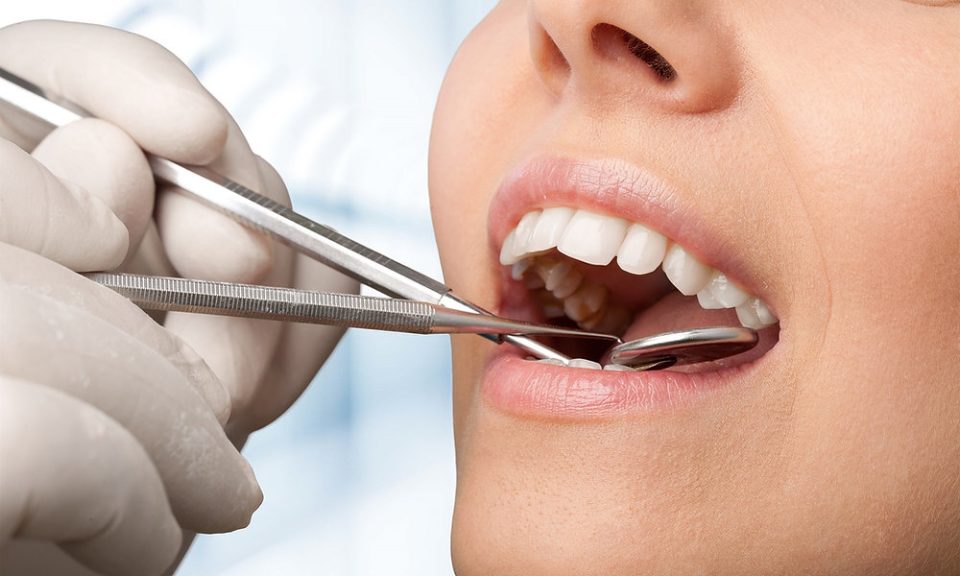
A periodontist is a type of dentist who deals with your gums and the supporting structures of the teeth. While the general dentist is concerned with your overall oral care, a periodontist specialises in diseases of the gums, loss of bone, and serious infections around your teeth. They are trained to treat gum problems beyond regular check-ups and cleans.
If gum disease is left untreated, it can cause pain, swelling, bleeding gums, and even tooth loss. A periodontist is trained to halt this damage and repair the results when necessary. They can perform dental implants, as well as work on bone rebuilding if the gum problem has caused loss in those areas. Sometimes they do gum grafts and other surgical treatments to return the mouth to health.
If you’re looking for a Sydney-based periodontist, it can help to understand when a referral is needed and what treatment usually involves.
When Should You See a Periodontist?
Most people are referred to a periodontist by their general dentist. You might be sent to one in cases where your gums are pulling away from your teeth or you have signs of infection that will not go away with basic cleaning. Sometimes loose teeth or constant bleeding of the gums can show that something more serious is happening under the surface.
Long-term health conditions like diabetes and heart disease often have effects on the gums that require extra care. The periodontist will be able to keep track of any changes and manage problems early. Smokers and people with a family history of gum disease are also more likely to need this kind of specialist care.
If you’re having discomfort when eating, or your teeth appear longer than they used to be, that can be another sign that it’s time to see a specialist. Some patients also see a periodontist in preparation for cosmetic work, such as improving their smile or reshaping uneven gum lines.
Why Choose a Sydney-Based Periodontist?
Seeing a periodontist in Sydney means you have access to well‑trained professionals using the latest tools and techniques. Many Sydney clinics offer a wide range of treatments and work closely with general dentists and other dental specialists. This helps ensure that your treatment is complete and well planned.
Being based in Sydney will also mean better access to follow-up care, especially for those who need ongoing treatment over several weeks or months. Many experienced periodontists with solid reputations and years of training are available in both the city and the suburbs, so you usually won’t need to travel far to get proper care.
Some periodontists in Sydney also work in hospitals or teach at universities. This can give them extra experience in dealing with more complex cases. Most practices now offer detailed consultations, where they explain your condition clearly, walk you through treatment steps, and take the time to answer questions.
What to Expect During Treatment
Your first visit usually includes a full check of your mouth, including your gums, teeth, and bone structure. X-rays may be taken to see what’s happening below the gum line. Any symptoms you have noticed, such as bleeding gums, soreness, or changes in your bite, will be discussed.
Treatment may involve deep cleaning under the gums, which is called scaling and root planing. In more advanced cases, surgery may be needed to clean infected areas or repair damaged tissue. Rebuilding or grafting can help replace bone or gum tissue that has been lost.
Your periodontist will also guide you on proper home care for your gums and may ask to see you on a regular schedule to check your healing. Good results depend not only on the treatment but also on daily care and continued follow-up.
Long-Term Gum Health
Working with a periodontist in Sydney gives you the support needed to maintain good oral health in the long term. Gum disease can return if it’s not properly managed, so follow-up care is just as important as the first visit. By staying on top of your oral health, you reduce the risk of tooth loss and avoid more serious problems later on.
Keeping your gums in good condition isn’t only about avoiding pain or toothaches; it’s also linked with better overall health. A clean, healthy mouth can improve your quality of life, and a trusted local specialist can help make that possible.
