
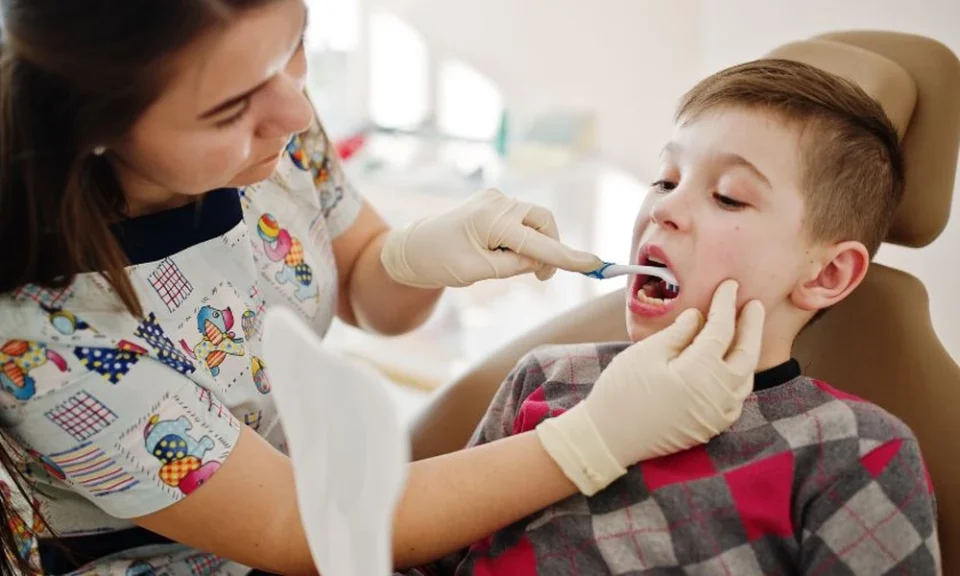
You might be noticing little things that are easy to brush off at first. Maybe your child’s teeth look crowded, maybe their bite seems a little off, or maybe a baby tooth stayed in place longer than expected. At the same time, it can be hard to know whether this is normal growth or the start of a bigger issue. That uncertainty can sit in the back of your mind, especially when you want to do the right thing without overreacting. Seeking South Lake Tahoe dental care can help you get clarity and peace of mind early on.
That is usually where parents get stuck. You do not want to wait too long, but you also do not want to schedule appointments your child may not need. The good news is that an early orthodontic check is often less about braces right away and more about spotting concerns while your child is still growing. In many cases, a child orthodontic screening simply helps your family dentist track development and decide whether anything needs attention now or later.
What signs should make you think about an early orthodontic evaluation?
Some orthodontic issues are easy to spot, while others show up slowly over time. According to the American Academy of Pediatric Dentistry, monitoring how the teeth and jaws develop can help identify problems with spacing, bite, and growth patterns before they become harder to treat. You can read more about that in these pediatric dentition and occlusion recommendations.
So, what are the signs?
1. Teeth look crowded, crooked, or come in out of order. If permanent teeth are erupting behind baby teeth, or if there does not seem to be enough room in the mouth, that can point to spacing issues. Crowding may seem cosmetic at first, but it can also make brushing and flossing harder, which raises the risk of decay and gum irritation.
2. Your child has trouble biting or chewing. If they avoid certain foods, chew only on one side, or say their teeth do not “fit” together right, it may be more than a passing phase. Bite problems can affect comfort and function, not just appearance.
3. The jaws seem to shift, click, or look uneven. You may notice the top and bottom teeth do not line up well, or one jaw appears more forward than the other. These changes can become more obvious as your child grows, which is why timing matters.
4. Habits or mouth breathing are affecting development. Long term thumb sucking, tongue thrust, and frequent mouth breathing can shape how the jaws and teeth develop. The American Academy of Pediatrics explains some of these common orthodontic concerns in this guide to dental health and orthodontic problems in children.
Why does waiting feel easier, even when something seems off?
In many families, the delay comes from a simple hope that things will sort themselves out. Kids lose baby teeth at different ages, and not every crooked tooth means treatment is needed. That is true. But when there is a real alignment or jaw issue, waiting can narrow your options later.
Because of this tension, you might wonder whether an orthodontic screening is too soon. In most cases, it is not about starting treatment right away. It is about creating a timeline. If your child needs nothing now, that peace of mind matters. If they do need monitoring, you have time on your side.
It also helps to understand normal tooth development. MedlinePlus offers a helpful overview of how children’s teeth develop, including when baby and permanent teeth usually come in. That kind of guidance can help you tell the difference between a normal delay and a pattern worth checking.
How can a family dentist help you decide what matters now and what can wait?
A family dentist often sees the small changes parents miss because they are tracking growth over time. During regular visits, they can watch for crowding, bite changes, delayed eruption, and habits that affect the jaw. If needed, they may suggest a first orthodontic screening for kids so concerns can be evaluated before they become more complex.
This is where the root service matters. Good orthodontic screening is not just about straight teeth. It is about function, comfort, and healthy development. In some cases, early guidance means simpler treatment later. In others, it means no treatment now, just watchful follow up.
What should you watch for at home before booking a screening?
It can help to compare what you are seeing with what tends to need a closer look. A quick table makes this easier.
| What You Notice | What It May Mean | Why a Screening Helps |
|---|---|---|
| Crowded or overlapping teeth | Not enough space for permanent teeth | Can show whether space management or monitoring is needed |
| Difficulty chewing or biting | Bite misalignment such as overbite, underbite, or crossbite | Helps assess function before strain increases |
| Baby teeth not falling out on time | Delayed eruption or blocked permanent teeth | Can identify whether the tooth path needs attention |
| Thumb sucking or mouth breathing past early childhood | Habit related jaw or tooth movement | Supports early guidance while growth is still active |
What can you do right now if you think your child may need an orthodontic check?
1. Start with what you already know. Think about changes you have noticed over the past six to twelve months. Has chewing become harder? Are adult teeth coming in behind baby teeth? Has your child mentioned discomfort? These details give your dentist a clearer picture.
2. Ask direct questions at the next dental visit. Bring up spacing, bite, jaw growth, and oral habits. Even if the answer is “not yet,” you will leave with a plan, and that can ease a lot of worry.
3. Do not wait for pain. Many orthodontic issues do not hurt in the early stages. If something looks off, that alone is a good reason to ask about a screening. Early attention often creates more choices, not more stress.
Where does that leave you if you are still unsure?
If you have been going back and forth, that is understandable. Most parents are not looking at their child’s smile and thinking in clinical terms. You are just trying to tell the difference between normal growth and a problem that deserves attention. A screening can answer that question without locking you into treatment.
When you notice signs like crowding, bite issues, delayed tooth changes, or habits that affect the mouth, it may be time to talk with a family dentist. A calm, early look can spare your child discomfort later and give you a clearer path forward. If you have concerns, schedule a dental visit and ask whether your child is ready for their first orthodontic screening.
