
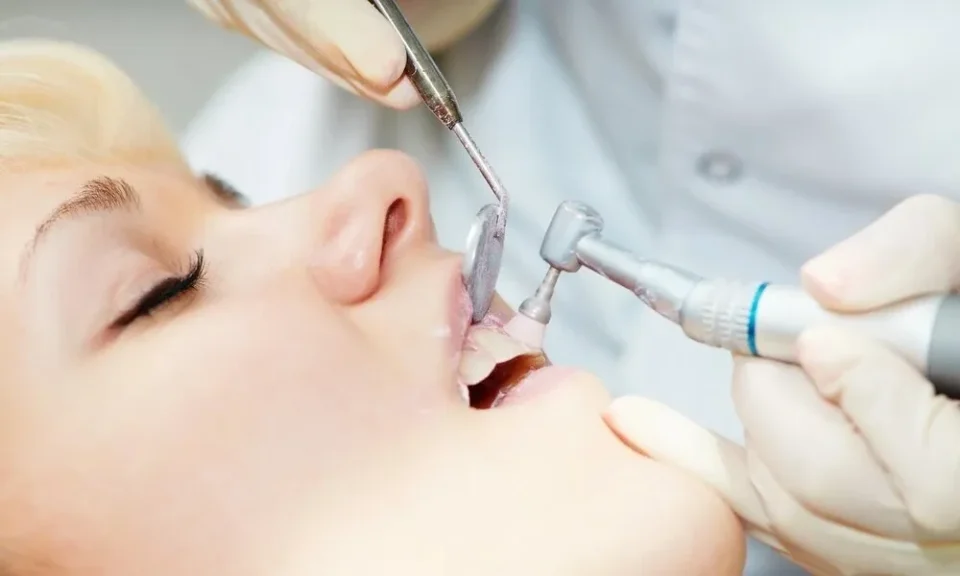
You might be feeling a knot in your stomach just thinking about sitting in a dental chair. Maybe a past bad experience still sits in the back of your mind. Maybe you worry about pain, judgment, or feeling out of control. For many people, the idea of a routine cleaning is enough to lose sleep the night before. That’s why choosing a trusted team- a trusted choice for dental care in Phoenix -can make all the difference in how you feel about your next visit.
If that sounds familiar, you are far from alone. Dental anxiety is common, and it can be strong enough to keep you from getting the care you need. Because of this, you might feel stuck. You know you should go, yet every part of you wants to cancel the appointment.
Here is the hopeful part. Modern comfortable dental care with a general dentist looks very different from what many adults remember from childhood. Today, general and family dentists focus on comfort, communication, and safety, not just fixing teeth. In simple terms, they use four main approaches. They reduce anxiety through communication and environment. They manage pain with thoughtful tools and medications. They adjust care for people with special health needs. They support long term emotional comfort so each visit feels a little easier than the last.
So where does that leave you? It means you have more options and more control than you might think. You do not have to be “tough” or hide your fear. You can ask for comfort-focused care, and a good general and family dentist will meet you there.
Why does the dental chair feel so stressful in the first place?
Before talking about what helps, it is important to understand why this feels so hard. When you lie back in the chair, bright light above you, hands in your mouth, suction noise in your ears, your brain reads this as a loss of control. That alone can trigger anxiety. If you add a memory of pain, a sensitive gag reflex, or embarrassment about your teeth, the feeling can grow very quickly.
This tension is not just in your head. Your heart rate increases. Your muscles tighten. Your pain threshold drops. Research on dental anxiety shows that people who are already stressed can feel more pain and are more likely to avoid care. The American Dental Association even shares guidance for reducing anxiety in patients because it affects both comfort and treatment success. You can see some of those suggestions in their tips to reduce stress in dental visits, which focus on communication, breathing, and environment, in the ADA’s own resource on reducing anxiety and stress in dental patients.
So what happens if the fear wins and you keep postponing? Small issues silently grow. A tiny cavity becomes a deep one. A little bleeding when you floss becomes gum disease. The longer you wait, the more complex and uncomfortable treatment can become. That is the cycle many people find themselves in. Fear leads to delay. Delay leads to bigger problems. Bigger problems need longer visits. Longer visits increase fear again.
The solution is not “just go.” The solution is to choose care that is designed to be comfortable and to work with a gentle general dentist who respects your limits. That is where these four approaches come in.
How do general dentists reduce anxiety before and during your visit?
Comfort often starts long before you open your mouth. Many general and family dentists use simple but powerful steps to lower anxiety from the moment you arrive.
They explain what will happen, in plain language, before they touch a thing. They invite you to raise your hand if you need a pause. They check in during the visit instead of working in silence. This kind of communication gives you back a sense of control and can dramatically lower stress.
The environment matters as well. Soothing music, sunglasses to block the bright light, a blanket if you feel cold, even noise-canceling headphones in some offices. These small touches can help your nervous system calm down. Some dentists also guide patients through slow breathing or grounding exercises at the start of the appointment. None of this is “extra.” It directly affects how your body experiences pain and fear.
For people with developmental or intellectual disabilities, anxiety around dental care can be even stronger, and the environment can be overwhelming. Many general dentists follow practical guidance like the Practical Oral Care for People With Intellectual Disability from the National Institute of Dental and Craniofacial Research. This includes using shorter visits, simple instructions, and familiar routines. The goal is always the same. Respect the person, reduce stress, and build trust over time.
What about pain control and safety during treatment?
Even if you trust your dentist, the fear of pain can still sit heavy. You might wonder how much it will hurt or whether the numbing will really work. This is where modern pain management makes a real difference.
Local anesthesia is the most common tool. Numbing gels before the injection, very fine needles, and slow, gentle delivery of anesthetic can make the process far more comfortable. For many routine treatments, you should feel only pressure, not sharp pain. If you do feel pain, you have every right to speak up so the dentist can adjust.
For some patients, especially those with strong anxiety, a sensitive gag reflex, or more complex procedures, sedation options may be available. Mild sedation can help you relax while you remain responsive. Stronger sedation is usually handled in carefully monitored settings with clear safety protocols.
Medication safety is a serious topic in dental care. If opioids are considered after a procedure, dentists are urged to weigh risks and benefits carefully, screen for risk of dependence, and consider non-opioid pain relief first. If this is a concern for you or a loved one, the National Institute of Dental and Craniofacial Research offers clear information about opioids and dental pain management, including safer options and questions to ask.
Pain control is not just about medications though. Breaks during treatment, adjusting your position, or using different tools for sensitive areas can all reduce discomfort. A skilled general and family dentist pays attention to your body language and responds before things become overwhelming.
How do dentists tailor comfort for different health needs?
Every mouth is different, and every nervous system is different too. Someone with a history of trauma, sensory issues, chronic pain, or medical conditions may need a different approach to feel safe in the chair.
Many general dentists are trained to adjust care for patients with physical, intellectual, or emotional challenges. This can include more time for appointments, quieter rooms, step by step desensitization, or involving a caregiver in planning. For example, for a person who is extremely sensitive to noise, the dentist might schedule a quieter time of day and use hand signals to reduce verbal input.
There is also growing awareness of how medications, mental health, and medical conditions affect the mouth. The National Center for Biotechnology Information discusses how anxiety, depression, and other conditions can change both pain perception and oral health. You can see this discussed in resources such as the review of dental anxiety and its management, which highlights the need for tailored care.
This is where choosing a general dentist who listens becomes crucial. You deserve someone who asks about your health history, your triggers, and your past experiences, then builds a plan with you instead of for you.
What are the tradeoffs between “pushing through” and comfort-focused care?
You might wonder whether asking for extra comfort is “too much” or whether you should just get through it. It can help to compare the two paths side by side.
| Approach | Short term experience | Long term impact | Best for |
| “Push through it” with minimal communication | Faster visit, but often higher anxiety and perceived pain | Higher chance of avoiding future care, stronger fear next time | People with low anxiety and strong trust in their dentist |
| Comfort-focused care with open communication | Visit may take a bit longer, but usually feels safer and more manageable | Greater trust, more regular visits, less need for urgent or invasive work | People with any level of anxiety, past trauma, or complex health needs |
| Sedation or advanced pain management | Very relaxed or sleepy during treatment, more planning required | Can help break the cycle of fear, but must be used with clear safety rules | People with severe dental anxiety, special needs, or major procedures |
When you see it laid out this way, comfort is not a luxury. It is part of a realistic plan to keep your mouth healthy for life with less fear and fewer emergencies.
What can you do right now to make your next dental visit more comfortable?
You do not need to change everything at once. A few focused steps can shift your experience in a meaningful way.
1. Be honest about your fear before the appointment
When you schedule, say clearly that you feel anxious or have had a bad experience. Use simple words like “I am very nervous about pain and I may need extra time.” A caring general and family dentist will welcome this information. It gives the team a chance to plan for numbing, breaks, and extra communication. You are not being difficult. You are giving them what they need to care for you well.
2. Agree on a signal and a simple plan with your dentist
At the start of the visit, ask for a pause signal, such as raising your left hand. Ask the dentist to walk you through what will happen in the next few minutes, not the whole appointment at once. Breaking the visit into small steps makes it easier to stay present. If you know you struggle with certain things, like the sound of the drill or lying flat, speak up early so they can adjust.
3. Build comfort gradually, not all at once
If fear has kept you away for a long time, consider a short “meet and greet” visit first. No cleaning, no drill, just a chance to sit in the chair, ask questions, and get used to the space. You might start with a simple exam, then schedule treatment for another day. Each positive experience helps your brain learn that general dental care can be safe. Over time, what once felt impossible can become routine.
Choosing comfort-focused care is an investment in your future health
You do not have to be the brave patient who suffers in silence. You also do not have to accept a future of emergency visits, toothaches, or avoiding photos because you hide your smile. With today’s options in gentle general dental care, you can ask for a different experience.
The first step is often the hardest. Reaching out, naming your fear, and asking for comfort-focused care can feel vulnerable. Yet it is also how you take control back from anxiety and move toward steady, predictable, and more relaxed visits.
You deserve care that respects your body, your history, and your limits. When you find a general and family dentist who understands that, each appointment becomes less about getting through the day and more about protecting your health for the long term.
