
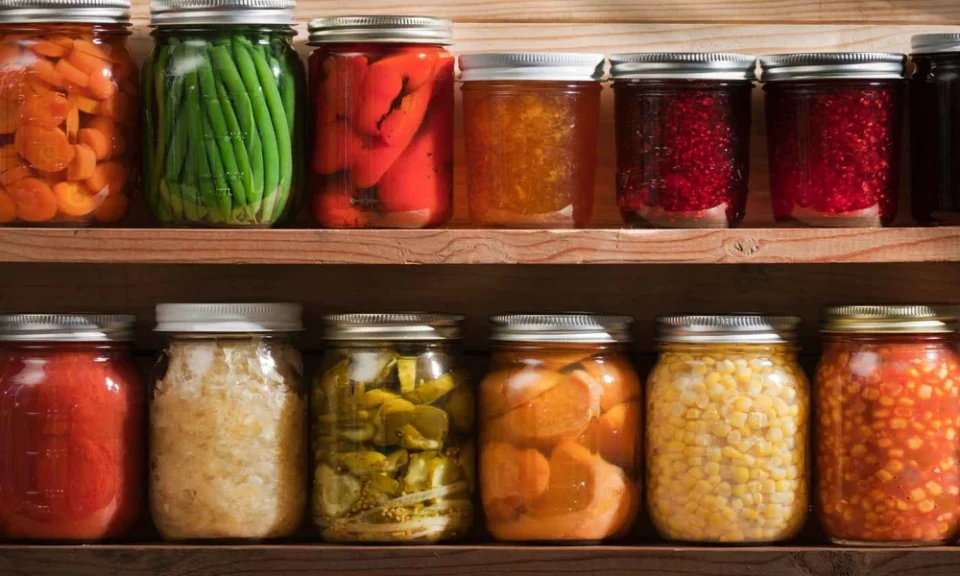
There is something deeply satisfying about lining a shelf with jars you filled yourself. Home canning lets you capture a summer harvest, stretch a bumper crop of tomatoes, brighten winter meals, and enjoy garden flavors long after the season has passed. For anyone just starting out, the process can look intimidating, yet the core ideas are simpler than they first appear.
At its heart, canning has one goal, which is keeping food safe by sealing it away from the air that causes spoilage. Once you understand how that seal works, every other step starts to make sense.
Understanding the Hermetic Seal
Spoilage begins when microorganisms reach food and start to grow. Canning stops them by creating a hermetic seal, an airtight barrier that locks out bacteria, mold, yeast, and airborne spores while removing the oxygen they need to survive.
The science behind it is elegant. As a filled jar heats during processing, air is driven out from inside. When the jar cools, the contents contract and form a gentle vacuum, and that drop in pressure pulls the lid firmly against the rim. A pliable gasket or sealing compound completes the barrier and holds the vacuum in place.
This is also why acidity and heat matter so much. High-acid foods such as jams and most pickles can be safely processed in a boiling water bath, while low-acid vegetables generally require the higher temperatures of a pressure canner. Following a tested recipe from a trusted source is the surest way to get this part right.
Choosing the Right Jars
Your jar is not simply a container. It is the tool that holds the seal, so its quality shapes your results more than almost anything else.
Look for heavy-duty glass built to handle repeated heating and cooling without cracking. Wide-mouth jars are especially friendly for beginners, since they make packing whole cucumbers, halved apricots, sliced vegetables, and firm tomatoes far easier, and they simplify cleaning between batches.
Pay close attention to the gasket. The rubber seal is what turns a good jar into an airtight one, and a cracked, stretched, or dried-out gasket is the most common reason a seal fails. This is where a trusted supplier such as Le Parfait America earns its reputation, offering durable French glass jars and replacement rubber seals meant to be used season after season.
Buying quality jars once, then caring for them well, saves both money and worry over the long run.
Sterilizing Before Filling
Cleanliness is the quiet foundation of safe preserving. Every jar, lid, gasket, and utensil should be washed in hot, soapy water and then sterilized before it ever touches your food.
Most home canners sterilize jars by submerging them in boiling water, keeping them hot until the moment of filling. Warm jars also resist thermal shock, which protects the glass when hot contents go in. Gaskets are usually softened in hot water so they seat cleanly against the rim.
Work in an orderly space with your tools within reach, and handle hot glass with proper lifters rather than bare hands. A calm, tidy setup makes the whole process safer and far more enjoyable.
Preserving with Confidence
Once your jars are filled and processed, let them rest undisturbed as they cool. You will often hear a satisfying pop as each lid pulls down, a sign that the vacuum has formed. After cooling, press gently on each seal to confirm that it holds firm.
Label everything with its contents and the date, then store your jars somewhere cool, dark, dry, and away from direct sunlight. Properly sealed goods keep beautifully for months, though it is wise to inspect each jar before opening and to discard anything with a broken seal, an off smell, a cloudy liquid, or any bulging.
Start small while you learn. A single batch of strawberry jam or a few jars of crisp dill pickles will teach you more than any amount of reading, and confidence builds quickly from there.
Home canning rewards patience and care with a pantry full of flavor you made yourself. Master the seal, respect the basics of cleanliness and acidity, and you will return to this craft year after year.
