
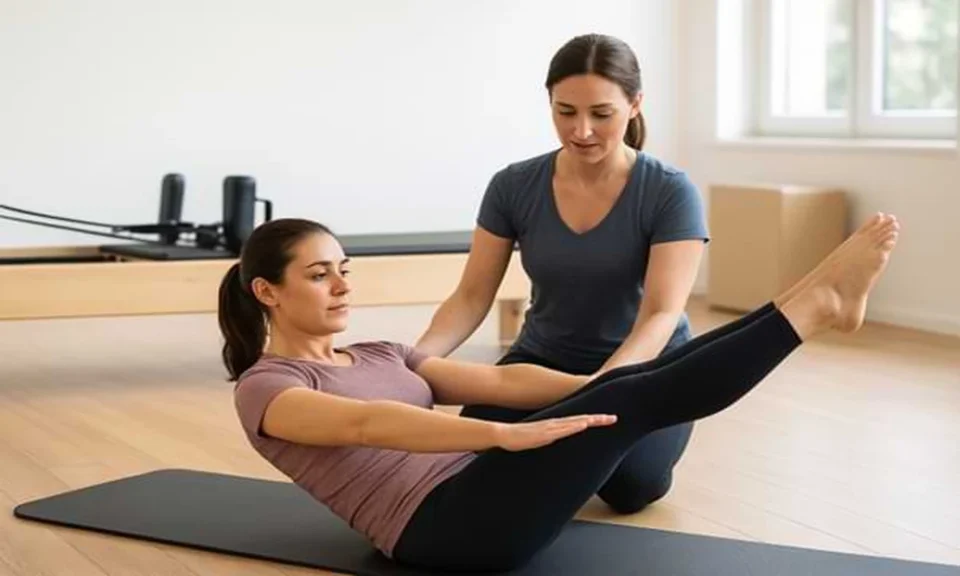
Many people look for effective ways to improve their physical alignment and overall wellbeing. Specialised movement programmes offer a powerful solution. The Physio Practice UK provides expert guidance for those embarking on this journey towards better health.
Modern life, especially desk-based work, frequently leads to common physical issues. Poor posture is a typical result of these sedentary habits. A structured exercise method can directly target and help to correct these problems.
Focusing on the deep, stabilising muscles of the torso is a fundamental principle. This work helps to relieve tension that often builds up in the neck and upper back. Strengthening this central area creates a more supportive foundation for the entire body.
Regular, mindful practise fosters significant improvements in spinal health. It also promotes a greater sense of ease and freedom in one’s daily movement. The benefits extend beyond simple correction to enhancing overall physical confidence.
Key Takeaways
- This approach is a highly effective method for improving physical health and overall wellbeing.
- The Physio Practice UK offers professional support to understand your body’s function during daily tasks.
- Desk jobs are a common cause of postural issues, but a structured regimen can address them.
- Concentrating on the deep core muscles helps to alleviate pressure in the neck and shoulders.
- Consistent practise leads to marked improvements in spinal health and movement ease.
- It builds a stronger, more resilient foundation for everyday activities.
- The method is tailored to individual needs, promoting sustainable and optimal results.
Introduction: The Importance of Posture
A staggering 84% of Canadians will experience low back pain during their lifetime. This 2023 statistic from the Canadian Chiropractic Association is often linked to poor postural habits.
Good posture is not just about sitting up straight. It is the ability to move in and out of different positions with ease and control.
Maintaining an upright position against gravity demands significant strength. Many people lack this due to sedentary lifestyles and prolonged desk work. This weakness can strain the body over time.
A rounded spine can negatively affect internal organs. It prevents the rib cage and lungs from expanding fully during breathing.
Understanding this is the first step toward reducing widespread physical strain. Improving your posture is a foundational element of long-term physical health.
| Aspect | Good Posture | Poor Posture |
|---|---|---|
| Spinal Health | Promotes even load distribution, reducing wear. | Creates uneven pressure, leading to discomfort. |
| Breathing Efficiency | Allows full lung expansion for optimal oxygen intake. | Restricts diaphragm movement, reducing lung capacity. |
| Daily Comfort | Supports effortless movement and less fatigue. | Contributes to chronic aches and low energy. |
Overview of Clinical Pilates and Its Benefits
Experts recognise that a stable core foundation is the key to unlocking fluid movement and systemic health. This method offers advantages that reach well beyond simply standing taller.
Health Advantages Beyond Alignment
Regular practice supports improved breathing and increased circulation. It can also lead to better digestion by reducing compression on internal organs.
Many participants report increased self-confidence as their physical awareness grows. The benefits are truly holistic.
| Focus Area | Traditional Exercise | This Method |
|---|---|---|
| Primary Goal | Often aesthetic or performance-based. | Functional stability and systemic wellness. |
| Breathing Impact | May be secondary or not emphasised. | Central to technique, improving lung capacity. |
| Daily Life Carryover | Can be limited. | Promotes ease in everyday tasks and movement. |
Scientific Rationale of Pilates
The science focuses on strengthening the deep muscles. This allows one to stand upright without conscious, exhausting effort.
A stable core keeps the spine in alignment, which directly improves mobility through the hip and shoulder girdles.
By engaging this central area, tension in the shoulders and neck often lessens. This alleviates pressure throughout the entire body.
Understanding Your Core Muscles for Posture
Proper bodily support originates from a group of deep, stabilising muscles often overlooked. This central core includes the diaphragm, pelvic floor, deep abdominal muscles, and spinal supporters. Together, they function like a natural, internal corset.
When this muscular system is weak, the body must compensate. Other muscle groups work much harder to keep you upright. This extra effort leads to noticeable fatigue and widespread discomfort.
A strong, engaged core helps maintain a neutral spine. It allows the natural curves of your back to sit in their optimal, healthy positions. Understanding this function is vital for reducing strain.
| Core Component | Primary Role | Impact on Stability |
|---|---|---|
| Diaphragm | Primary breathing muscle | Creates intra-abdominal pressure for support |
| Pelvic Floor | Forms the base of the core | Supports pelvic organs and spinal base |
| Deep Abdominals (Transversus Abdominis) | Acts like a muscular belt | Draws the abdominal wall inward, stabilising the torso |
| Deep Back Muscles (Multifidi) | Stabilises individual spinal segments | Prevents excessive movement between vertebrae |
This integrated system provides the essential foundation for all movement. Mastering its use transforms how you hold yourself throughout the day.
Techniques in clinical pilates for posture alignment
The quality of each movement, not the quantity, determines the success of a physical practice. As specialist instructor Gwen Berwick emphasises, “education is key to understanding your injury, illness, and movement patterns.” This informed approach is central to mastering the techniques that foster better support.
Correct execution builds a strong foundation. It transforms simple motions into powerful tools for change.
Step-by-Step Instructions
Beginners should always start with breath. Placing one hand on the chest and another on the belly helps ensure deep, diaphragmatic engagement. This connects the mind to the central support system.
Each subsequent exercise should be performed with deliberate control. Focus on feeling the work in the deep stabilising muscles. Rushing through repetitions is counterproductive.
Common Pitfalls to Avoid
A major error is moving too quickly. This often causes people to miss the vital core engagement that makes the work effective. Patience yields far better results.
Always listen to your body’s signals. Mild muscular fatigue is normal, but sharp pain is a clear warning to stop. Do not push through discomfort.
Using modifications is a sign of intelligence, not weakness. Bending the knees or using a pillow for head support allows one to build strength safely. This tailored approach ensures sustainable progress.
Pilates Exercises Targeting Deep Core Stability
Two foundational drills provide a direct route to engaging the body’s central support system. These pilates exercises teach essential control and form the basis for more advanced work. Mastering them builds the stability needed for effortless daily movement.
Pelvic Tilt: Finding Your Neutral Spine
This fundamental movement teaches you to locate your neutral spine. It involves a gentle rocking of the pelvis while lying on the floor. A useful cue is to imagine a clock face on your pelvis to guide the motion.
To practise, begin on hands and knees. Keep your back flat as you focus on a subtle contraction of your deep core muscles. This awareness is the first step towards a supported, neutral position.
Pilates Plank for Improved Stability
The plank builds full-body endurance by challenging the central musculature. It directly targets the deep core muscles, which are vital for preventing the spine from arching.
Starting on hands and knees, place your hands directly under your shoulders. Extend your legs to hold the position for 30 seconds to a minute. Maintain a back flat and a long neck throughout to ensure the deep core muscles are working effectively.
Implementing a Balanced Pilates Routine
Brief, focused sessions performed each day yield greater benefits for bodily support than infrequent, lengthy practices. Consistency proves far more valuable than intensity when building sustainable habits. A mere 10 to 15 minutes of daily pilates exercises creates stronger foundations than a single hour-long weekly session.
This regular approach allows the body to develop muscle memory effectively. It reinforces new movement patterns that support a healthier posture over time. Small, manageable commitments are easier to maintain and integrate into one’s routine.
Mixing up your movements throughout the day prevents stiffness and keeps the body feeling agile. A balanced programme should include varied exercises targeting different muscle groups. This ensures comprehensive support for the spine and promotes overall stability.
| Aspect | Daily Practice (10-15 mins) | Weekly Practice (60 mins) |
|---|---|---|
| Muscle Memory Development | Excellent – frequent reinforcement | Limited – patterns fade between sessions |
| Postural Habit Formation | Strong – constant mindful engagement | Weak – inconsistent carryover to daily life |
| Sustainability & Adherence | High – easily fits into schedule | Moderate – requires significant time block |
Lasting change does not happen overnight. However, dedicated daily effort makes a real difference in how one feels and moves. By prioritising regularity, individuals build the strength needed for long-term postural improvements.
Expert Advice on Enhancing Postural Strength
Gaining insights from seasoned physiotherapists can significantly accelerate one’s journey towards a more resilient physique. Their guidance helps translate theory into effective, daily practice. This professional perspective is crucial for building sustainable support.
Insights from Experienced Physiotherapists
As physiotherapist Chelsey Schwarzenberger notes, this specialised movement method is an effective way to increase postural strength. It better equips the body to cope with prolonged sitting, a common modern challenge.
The Physio Practice provides expert insights into how specific muscle control and flexibility training can enhance overall physical strength. Their approach focuses on intelligent movement rather than sheer effort.
Strengthening the muscles around the spine ensures they are not under constant pressure. This allows them to function as nature intended, providing stable support.
Experts recommend consulting a professional before starting if you have a history of chronic neck or back pain. A tailored assessment ensures safety and efficacy.
Building postural strength is a gradual process. It requires patience and a committed focus on learning correct movement patterns for your unique body.
Integrating The Physio Practice UK Approach
Expert-led, customised sessions provide the clarity and direction needed for sustainable postural improvement. This integrated approach moves beyond generic exercise plans.
The Physio Practice UK structures its support around one-to-one and small group sessions. These are tailored to an individual’s specific needs for better movement and structural support.
Customised Session Insights
Engaging with a specialist ensures your pilates practice is both safe and highly effective. It is carefully calibrated for your unique body type and goals.
A core insight is learning how to engage your stabilising muscles correctly. This skill is essential for achieving long-term benefits for your posture.
- Immediate professional feedback on your form prevents common mistakes that could lead to discomfort.
- The focus shifts from simply doing exercises to actively supporting your spine from the inside out.
- This personalised method builds the intelligent movement patterns required for daily resilience.
Ultimately, this tailored guidance empowers you to move with greater confidence. It ensures your pilates work strengthens the right muscles for lasting change.
Incorporating The Physio Practice Techniques
Integrating expert-guided methods offers a practical pathway to sustained physical support. The specialised pilates techniques developed by The Physio Practice are designed to seamlessly blend into a busy schedule. They empower individuals to maintain an upright, supported stance with far less conscious effort.
These methods emphasise the vital link between the deep core muscles and the spinal column. By strengthening this connection, one can stand taller without strain. This intelligent approach redistributes the work away from overburdened neck and shoulder regions.
Learning to apply these principles helps dissolve the tension accumulated from prolonged sitting. The goal is for supportive movement patterns to become automatic. Over time, they integrate into the body’s natural repertoire, fostering confidence in every action.
For those seeking tailored guidance, speaking with a professional is the logical next step. You can contact The Physio Practice at 403-343-8891 to discuss your specific needs. Their team provides insights into how these pilates techniques can refine your personal posture strategy.
Pilates for Back Pain Relief and Improved Mobility
A targeted movement system offers a dual benefit for those suffering from back issues: easing pain and enhancing movement capacity. It strengthens the weak muscles that frequently contribute to poor spinal alignment. This addresses the root cause of discomfort, creating internal support that takes pressure off the spine.
Specific pilates exercises are designed for this purpose. The cat-camel stretch, for instance, is highly recommended. It helps to release tension along the vertebral column while simultaneously strengthening the core muscles.
This action directly improves one’s overall mobility and range of motion. Enhanced movement in the thoracic region is particularly vital for desk-based workers. It counteracts the stiffness developed from prolonged sitting.
Regular practice of these movements helps to level the pelvis. It reduces the compensatory patterns that often lead to chronic back pain. Over time, this fosters a more balanced and supported posture, allowing for freer, more comfortable daily movement.
Adapting Pilates to Suit Various Body Types
No two people are built the same, which is why a one-size-fits-all approach to physical training often falls short. A successful regimen must be flexible, offering modifications to match individual anatomy and capability.
Simple adjustments make a significant difference. Placing a pillow under the head or bending the knees during a plank are excellent examples. These changes allow the muscles to engage correctly without strain.
Seeking guidance from a professional instructor is highly recommended. They can pinpoint specific alignment issues unique to your body. Their expertise leads to customised modifications that promote safe, effective progress.
Perfect form is not the immediate goal. The focus should be on steady, mindful movement. Listening to your body’s signals prevents pain and ensures the practice remains beneficial.
This tailored approach makes the pilates method accessible and rewarding for everyone. It builds a foundation for a healthier, more supported posture over time.
Practical Tips for Daily Posture Improvement
Effective postural support stems from integrating small, corrective actions into your everyday routine. It teaches the body to recognise a supported stance. Consistency with these simple strategies fosters lasting change.
Mindful Movement Strategies
Setting hourly reminders on your mobile phone prompts a quick check of your position throughout the working day. This habit breaks the cycle of prolonged slouching.
The “wall test” is a valuable self-assessment tool. Stand against a wall to ensure your head, shoulders, and buttocks touch it naturally. This reveals your current alignment.
During daily activities like walking, gently draw your navel toward your spine. This subtle action strengthens the deep core muscles essential for support.
Ergonomics matter greatly. Adjust your workspace so the top third of your screen sits at eye level. This setup is crucial for preventing forward head posture.
Incorporate brief movement breaks every 30-45 minutes. Shoulder rolls and neck stretches effectively counter the stiffness from sitting.
| Common Habit | Corrective Action | Key Benefit |
|---|---|---|
| Slouching at desk for hours | Set hourly phone reminders to sit tall | Reduces cumulative spinal pressure |
| Forward head position | Raise screen to eye level | Aligns cervical spine, eases neck strain |
| Static sitting | Take short breaks for shoulder rolls | Promotes blood flow and muscle relief |
Creating Your Personal Pilates Programme
A tailored movement regimen addresses individual needs far more effectively than generic workouts. The first step is to select specific exercises that target your areas of weakness and imbalance. This focused approach builds a programme that directly supports your spinal health.
For the best results in spinal support, aim to practise your chosen routine two to three times each week. Begin with foundational drills like the pelvic tilt and bird dog. These exercises teach your body to engage the correct stabilising muscles safely.
As your strength increases, you can progress to more challenging movement patterns. Most people notice significant improvements in how they feel within four to six weeks of regular, consistent pilates practice. A well-structured programme helps you build a strong foundation, allowing you to stand taller and improve your posture with greater ease daily.
Ensuring Safety and Customising Modifications
Prioritising safety is the cornerstone of any sustainable exercise regimen. It is vital to consult a medical professional or physiotherapist if you experience dizziness, increased pain, or trouble breathing during your practice. These signals should never be ignored.
Customising modifications is a key part of this process. It allows you to build strength without placing unnecessary strain on your body. For those with a history of chronic neck, shoulder, or lower back pain, seeing a specialist for a tailored plan is highly recommended.
Always focus on the quality of your movement rather than the quantity of repetitions. This ensures you are engaging the correct muscles effectively. Rushing through exercises can lead to poor form and potential discomfort.
- Listen to your body’s feedback; sharp pain is a clear warning to stop.
- Use props like pillows or bent knees to make an exercise accessible and safe.
- A professional can assess your unique needs, ensuring your pilates practice supports your posture goals without risk.
By making intelligent modifications and heeding professional advice, you lay a foundation for enjoying the long-term benefits of pilates while minimising the risk of injury. This mindful approach strengthens your muscles and builds confidence in your posture.
Monitoring Progress Towards Long-Term Benefits
A structured approach to monitoring one’s journey is essential for realising the full value of a movement practice. Observing changes over time provides motivation and confirms that the effort is working.
Setting Realistic Goals
Effective goals are specific and measurable. A common aim is to reduce the frequency of back pain over several weeks. Another is to build the strength of the deep core muscles that support the spine.
These targets should feel achievable. They create a clear roadmap for personal improvement.
Tracking Your Improvements
Simple observation is a powerful tool. Note how often back pain occurs and its intensity. Also, pay attention to how much easier daily tasks, like lifting or bending, become.
Keeping a brief log of practice sessions is highly recommended. It helps identify which exercises offer the most relief and keeps motivation high.
| Aspect | Short-Term Tracking | Long-Term Benefit |
|---|---|---|
| Pain Frequency | Weekly log of back pain episodes | Sustained reduction in discomfort |
| Daily Task Ease | Noting effort for activities like gardening | Effortless movement and less fatigue |
| Habit Formation | Consistency in daily practice | Improved posture becomes automatic |
The long-term rewards include better spine alignment and fewer aches. Remember, progress is often gradual. Celebrating small wins builds a more resilient body and posture.
Conclusion
Embarking on a journey to better physical support yields rewards that extend far beyond the exercise mat. The pilates method works by targeting the deep muscles that support your spine, helping you stand taller with significantly less effort.
Strengthening your core addresses the root causes of back pain while enhancing your overall physical alignment and mobility. Consistent pilates practice is the true key to success, with most people noticing positive changes in their muscles and posture within four to six weeks.
Always focus on movement quality and listen to your body’s signals to ensure a safe and effective experience. Beginning today fosters lasting improvements in how you feel and move, allowing you to carry yourself with greater ease and confidence while supporting a healthier posture for life.
