
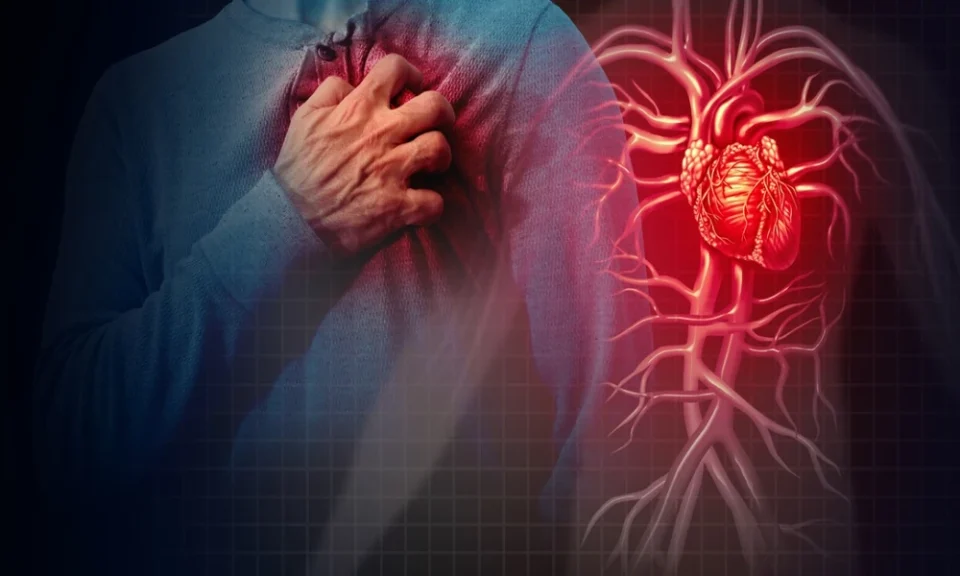
Heart disease often progresses slowly, and many of its early warning indicators are mild enough to be mistaken for normal weariness, stress, or aging. Ignoring these signs, however, may cause a tolerable ailment to worsen by delaying identification and treatment. One of the greatest ways to safeguard your long-term health and get medical attention before problems develop is to know what to look out for.
Unusual Fatigue That Persists
It’s natural to feel exhausted after a long day, but chronic lethargy that doesn’t seem to be related to anything might be a sign that your heart is overworked. When your heart cannot pump blood efficiently, your muscles and organs get less oxygen, which leaves you feeling exhausted even after getting adequate sleep.
Whether persistent weariness is caused by cardiovascular problems or another illness may be determined by a cardiologist in Denver. Early testing may identify issues before they develop into more serious heart disease.
Breathlessness During Daily Activities
When someone has trouble breathing while walking short distances or climbing stairs, many think they are just out of shape. On the other hand, inexplicable dyspnoea might indicate diminished cardiac function.
This symptom should be treated right away if it manifests abruptly or increases in frequency. Changes in breathing might sometimes be the first obvious indication of cardiovascular issues rather than respiratory disorders, since the heart and lungs function together.
Moderate Chest Pain
Severe chest discomfort is not typically the first sign of heart disease. Some people have intermittent feelings of pressure, tightness, burning, or heaviness. These feelings might be confused with indigestion or strained muscles since they are often mild.
It’s crucial to see a cardiologist in Denver if you get chest pain when exercising or under stress. Early detection of the underlying problem may help avert more catastrophic cardiac episodes.
Palpitations Or An Irregular Heartbeat
Everybody sometimes skips a pulse, especially while under stress or after eating coffee. On the other hand, persistent fluttering, hammering, or racing feelings might be signs of an irregular heartbeat.
If left untreated, some rhythm problems raise the risk of cardiac failure or stroke. In order to detect abnormal heartbeats, a cardiologist in Denver may conduct certain tests and, depending on the results, suggest suitable treatment choices.
Light-headedness Or Sudden Fainting
While occasional dizziness may not seem concerning, persistent dizziness or bouts of fainting should be carefully assessed. Several symptoms may appear when the heart is unable to provide enough blood to the brain.
These warning signals may be caused by reduced circulation, irregular cardiac rhythms, or structural heart issues. Early medical consultation increases the likelihood of determining the problem before a medical emergency arises.
Pain Outside Of The Chest
Not all heart-related pain is confined to the chest. Some patients feel pressure or discomfort in their arms, shoulders, neck, jaw, or upper back. These symptoms are particularly prevalent in women, who may show signs of heart disease in less conventional ways.
Many people put off getting medical help because this pain might be mistaken for oral issues or muscular aches. Early diagnosis might result from identifying these less evident symptoms.
Unrelated Digestive Symptoms
Sometimes heart disease is more closely associated with nausea, indigestion, bloating, or stomach pain than digestive diseases. These symptoms by themselves may not often point to a cardiac issue, but when they are paired with exhaustion, dyspnoea, or chest tightness, they become more alarming.
If you experience persistent digestive problems that don’t appear to have a known cause, particularly after strenuous exercise, speak with a healthcare professional.
Cold Sweats Without A Clear Cause
Another missed warning sign is breaking out in a cold sweat when at rest or engaging in little exercise. This symptom can be the body’s reaction to decreased blood flow brought on by cardiac issues.
It is advised to seek medical attention right away if cold sweats coexist with chest pain, lightheadedness, or breathing problems. Early detection of these symptoms may have a big impact on how well a therapy works.
The Value Of Taking Early Action
Heart disease often offers mild warning signs long before a significant incident happens, yet many individuals wait until symptoms worsen before seeking medical attention. Doctors may look into possible cardiovascular issues earlier if they pay attention to chronic tiredness, unusual shortness of breath, minor chest discomfort, swelling, irregular heartbeats, dizziness, or inexplicable pain.
When symptoms manifest, scheduling an assessment with a cardiologist in Denver may assist in identifying risk factors, diagnosing cardiac issues earlier, and developing a customized treatment strategy. Early intervention often leads to better health outcomes, fewer challenges, and more opportunities to maintain an active and healthy lifestyle for years to come.
