
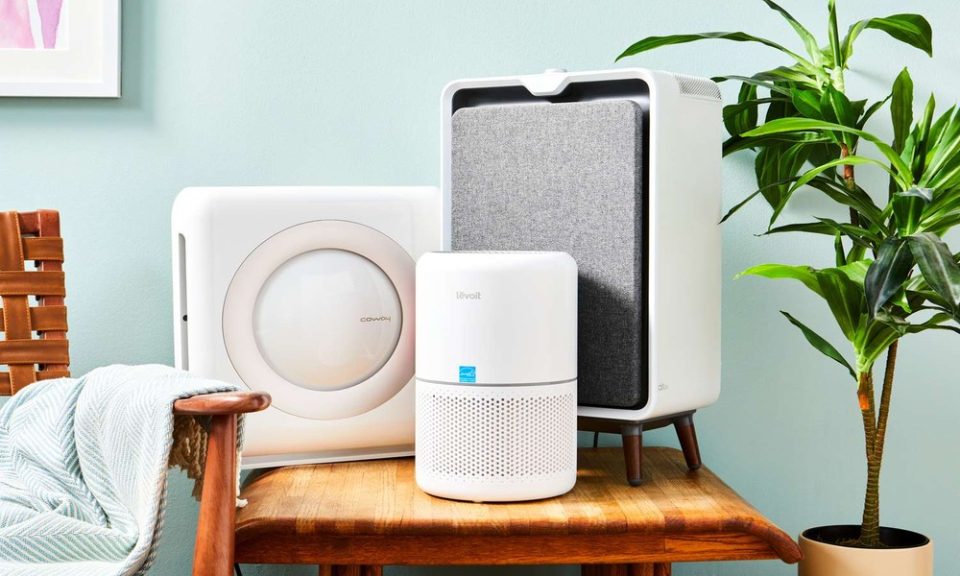
Clean air supports a healthy home. Mold threatens that balance every day. It grows fast in damp indoor spaces. Many people ignore filter care in air systems. That mistake reduces mold removal efficiency over time. Proper maintenance keeps indoor air fresh and safe. It also improves overall system performance in every season. Now a clear focus on filters can change results.
The Role of Filters in Mold Control
Air filters trap particles from indoor air. These particles include mold spores and dust. A clean filter works with steady airflow. It captures harmful spores before they spread further. But a clogged filter blocks air movement and reduces efficiency. Mold spores then circulate freely inside living spaces. So regular filter care becomes essential for clean air. A system like air purifier that helps with mold works best with proper filter use.
Why Replacement Timing Matters
Filters lose strength with constant use. Dust and spores fill the surface quickly. A saturated filter cannot trap new particles well. It also strains the system motor and airflow path. Sometimes delayed replacement leads to higher indoor humidity levels. That condition supports mold growth in hidden corners. So timely replacement protects both air quality and equipment health. Brands like AirDog design filters for strong performance, but maintenance still matters.
Impact on System Efficiency
A fresh filter supports smooth air circulation. It allows systems to run with less effort. Energy use stays lower when airflow remains steady. But a dirty filter forces systems to work harder. This increases energy use and reduces performance quality. Mold spores remain longer in indoor air during this strain. Now efficient systems depend on simple habits like filter replacement. AirDog systems show improved results when filters remain clean and active.
Health and Air Quality Benefits
Clean filters reduce allergens in indoor spaces. Mold spores often trigger respiratory discomfort and irritation. A well-maintained system lowers these risks significantly. It also supports better breathing and comfort indoors. Sometimes people notice fewer odors after filter changes. That improvement reflects reduced mold presence in air. So consistent care protects both health and indoor freshness.
Best Practices for Filter Maintenance
Regular inspection helps detect clogged filters early. A visual check often shows dust buildup clearly. Replacement schedules depend on environment and usage patterns. Homes with high humidity need more frequent changes. So, awareness of indoor conditions improves maintenance habits. Quality systems like AirDog offer reliable filtration, but user care remains important. Clean filters extend system life and improve performance results.
Conclusion
Filter replacement plays a vital role in mold control. It supports airflow and removes harmful spores effectively. Ignoring this step reduces system efficiency and air quality. Consistent maintenance keeps indoor spaces healthier and safer. Simple actions bring lasting benefits to every home environment.
