
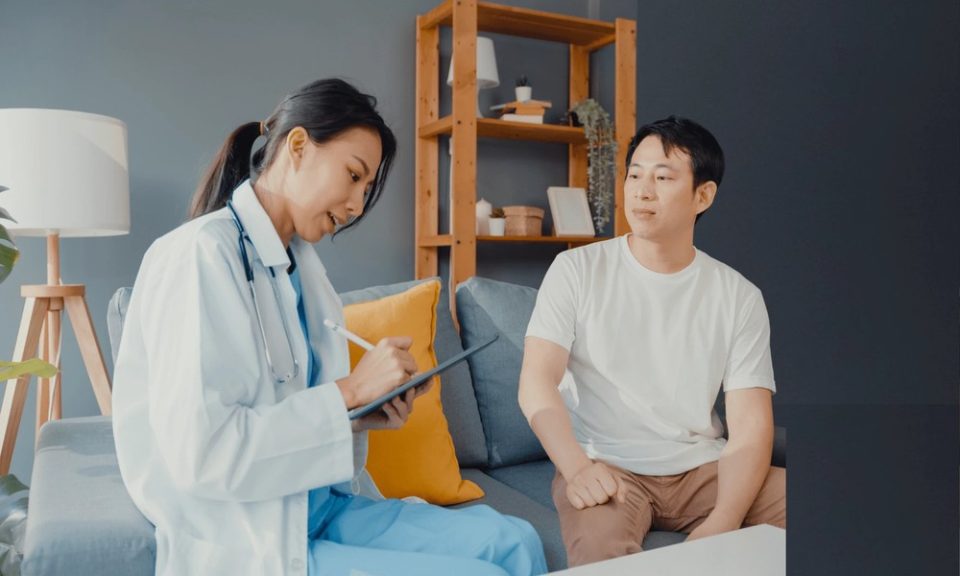
Healthcare is evolving rapidly, and convenience is becoming just as important as quality. One of the most noticeable shifts in recent years is the growing demand for home based health screening.
Instead of visiting clinics or hospitals, more people are choosing to have their health checked from the comfort of their own homes. But what’s driving this trend, and is it as effective as traditional methods?
What Is Home Based Health Screening?
Home-based screening refers to medical tests conducted outside a clinical setting, typically in a patient’s home. These services are usually arranged through healthcare providers who send trained professionals to perform the necessary procedures.
A home based health screening can include blood tests, urine analysis, blood pressure monitoring, and even certain diagnostic services. The goal is to provide the same level of care as a clinic visit, without requiring patients to travel.
With advancements in portable medical equipment and telehealth support, home screenings have become more reliable and accessible than ever before.
Convenience That Fits Modern Lifestyles
One of the biggest reasons people are turning to home screenings is convenience. Busy schedules, long work hours, and family responsibilities can make it difficult to find time for clinic visits. With a home based health screening, appointments can be scheduled at a time that works best for the individual.
There’s no need to deal with traffic, waiting rooms, or long queues. This flexibility is especially beneficial for working professionals, parents, and individuals who prefer a more private and relaxed environment during medical procedures.
Reducing Exposure to Illness
Another key factor driving this trend is the desire to minimize exposure to infections. Clinics and hospitals, while essential, can also be places where illnesses spread more easily. By opting for a home based health screening, individuals reduce the risk of coming into contact with contagious diseases.
This is particularly important for older adults, immunocompromised individuals, or those managing chronic conditions. In a post-pandemic world, many people are more conscious of where and how they access healthcare services, making home-based options more appealing.
Personalized and Comfortable Experience
Healthcare can feel intimidating for some people, especially in clinical settings. Home screenings offer a more personalized and comfortable experience. Patients can undergo tests in a familiar environment, which helps reduce anxiety and stress. This often leads to a more positive overall experience.
A home based health screening also allows for better one-on-one interaction with healthcare professionals. Patients may feel more at ease asking questions and discussing concerns when they are in their own space.
Are Home Screenings as Reliable?
A common concern is whether home screenings are as accurate as those conducted in clinics. The answer largely depends on the provider and the type of tests being performed.
Reputable healthcare services use certified professionals and high-quality equipment to ensure reliable results. Samples collected at home are typically sent to accredited laboratories for analysis.
When done correctly, a home based health screening can provide results that are just as accurate as traditional methods. However, it’s important to choose trusted providers to ensure quality and safety.
Ideal for Preventive Healthcare
Preventive care is all about early detection and regular monitoring, and home screenings make this easier to achieve. By removing common barriers such as travel and time constraints, more people are encouraged to stay consistent with their health checks.
Regular use of home based health screening services can help detect potential issues before they become serious. This proactive approach supports long-term health and reduces the risk of complications.
It also empowers individuals to take greater control of their well-being, making healthcare more accessible and less intimidating.
Who Can Benefit the Most?
While home screenings are suitable for many people, certain groups benefit even more. Elderly individuals, patients with mobility challenges, and those recovering from illness often find it difficult to visit clinics.
For these individuals, a home based health screening provides a practical and comfortable alternative. It ensures they receive the care they need without added physical strain. Families caring for loved ones at home also find this option helpful, as it simplifies the process of managing health appointments.
The Future of Healthcare Is at Home
The rise of home-based healthcare reflects a broader shift toward patient-centered services. As technology continues to improve, more advanced tests may become available outside traditional settings.
Home screenings are not meant to replace clinics entirely but to complement them. They offer an additional option that aligns with modern lifestyles and evolving patient needs. Ultimately, the growing popularity of home based health screening highlights a simple truth: healthcare is becoming more accessible, flexible, and tailored to the individual.
